Show summary Hide summary
- Viral TikTok: a traveler says she was “catfished” by a scenic spot
- Wangxian Valley explained: a themed attraction, not a residential town
- Why themed villages exist: tourism, storytelling, and spectacle
- Online reaction: tips, criticisms, and alternative destinations
- Practical travel advice: avoid surprises at staged attractions
- How to decide what “authentic” means to you
A travel video has ignited a debate after a mom said a cliffside attraction in China looked nothing like the photos that lured her there. Her TikTok clip sparked questions about what counts as a “real” village and how much trust to place in curated travel images.
Viral TikTok: a traveler says she was “catfished” by a scenic spot
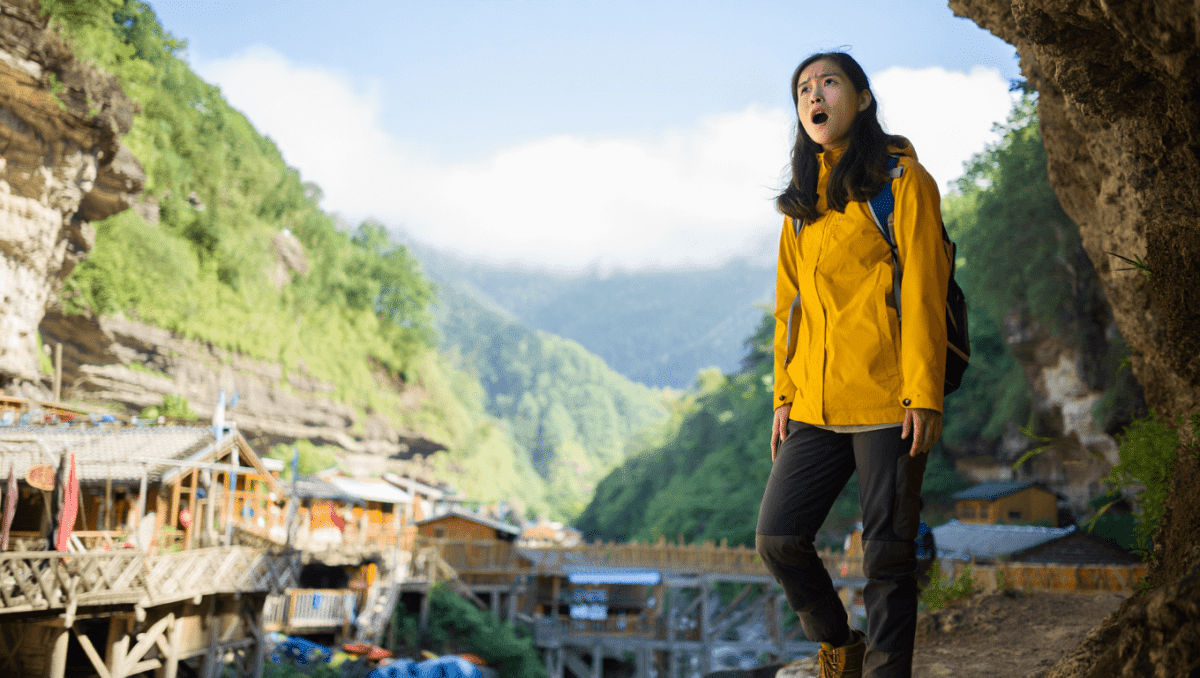
The post came from TikTok creator @roaming2own, who documents family trips and budget travel. She uploaded footage showing glossy online photos that convinced her to detour to a cliffside destination in Jiangxi province.
Anglo-Saxon burial reveals “unprecedented” secrets: experts stunned by 1,400-year-old grave mysteries
What Your Instinctive Tree Choice Reveals About Your Personality—Experts Explain
Viewers watched as she compared polished marketing shots with what she found on arrival. Her on-screen caption used the term “I GOT CATFISHED BY A VILLAGE IN CHINA”, and she pointed out staged elements, including an artificial moon in the night display.
The clip drew hundreds of thousands of views and a flood of comments. Many users debated whether the mismatch was deception or simply poor planning.
Wangxian Valley explained: a themed attraction, not a residential town
The place at the center of the discussion is Wangxian Valley. It is often marketed as a dramatic, fairy-tale village built into cliffs.
Key facts about Wangxian Valley:
- Location: Jiangxi province, eastern China.
- Origins: developed on an old quarry site and built for tourism.
- Style: architecture borrows from local Gan culture, with traditional facades and staged streets.
- Night shows: elaborate lighting, an artificial moon, and choreographed performances.
Tour operators emphasize the area’s photogenic qualities. Visitors can stroll a reconstructed old street, sample regional snacks, and watch folk dances and acrobatics. Hikes and river activities are also on offer in warmer months.
Why themed villages exist: tourism, storytelling, and spectacle
Places like Wangxian Valley are designed to evoke a mood. They blend cultural motifs with modern staging to create memorable visuals.
Reasons developers build themed sites:
- Boost tourism revenue and local jobs.
- Create a packaged experience for visitors and photographers.
- Preserve or reinterpret heritage for a broader audience.
Benefits include accessibility, safety, and polished amenities. Drawbacks include loss of authenticity and the potential for visitor disappointment.
Online reaction: tips, criticisms, and alternative destinations
Commenters split into camps. Some said the creator should have researched more. Others defended the attraction as a fun, well-made show.
Common viewer suggestions:
- For a “real” riverside town, try Fenghuang in Hunan.
- Check multiple sources before you book, including reviews and travel blogs.
- Remember staged attractions are popular for a reason: they photograph well.
Some reactions used humor to make the point. Others focused on ethics, calling staged features “fake” and comparing the setup to theme parks.
Practical travel advice: avoid surprises at staged attractions
If you want to avoid a mismatch between expectation and reality, take a few simple steps before you go.
- Verify the label: search “themed village,” “tourist attraction,” or local language terms.
- Read recent reviews: look for trip reports with photos from inside the site.
- Check maps: satellite views can show whether an area has residential blocks or built sets.
- Ask locals or hotel staff: they can explain whether a place is a living town.
- Look for bookings: festivals and ticket systems often indicate staged events.
Small preparations can prevent disappointment while still letting you enjoy a visually impressive attraction.
How to decide what “authentic” means to you
Travelers differ in what they want from a trip. Some seek living communities, others seek spectacle. Both choices have value.
Questions to ask before visiting
- Do I want local life or a curated experience?
- Am I visiting for photos, history, or interaction?
- Will paying admission to a staged site add value to my trip?
Answering these can guide where you spend time. If authenticity matters, prioritize smaller towns, markets, and home-stays over show-driven attractions.