Show summary Hide summary
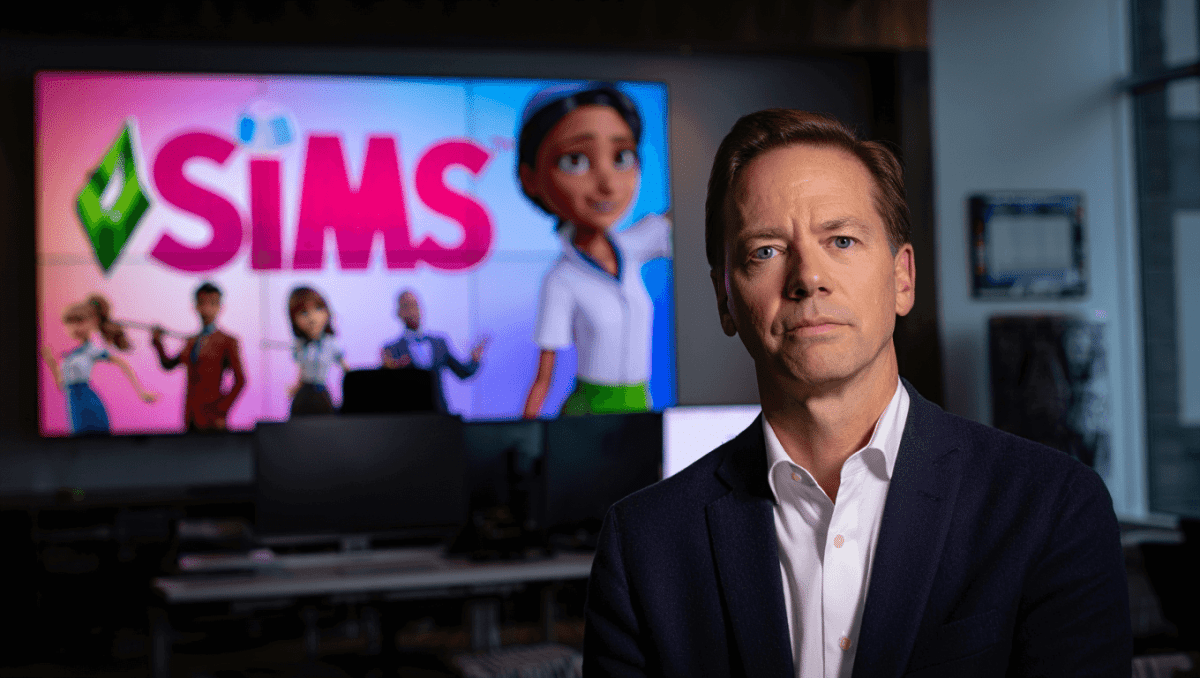
Players and creators are uneasy about what comes next for The Sims after a high-profile acquisition stirred fears over the franchise’s future. Concerns center on whether the game’s long-standing support for LGBTQ+ players will survive new ownership tied to Saudi investors and prominent political figures.
What the acquisition changed and why creators reacted
Earlier this year, a deal involving Saudi investors and Jared Kushner led to a shift in control at Electronic Arts. The sale rattled parts of the gaming community.
Anglo-Saxon burial reveals “unprecedented” secrets: experts stunned by 1,400-year-old grave mysteries
What Your Instinctive Tree Choice Reveals About Your Personality—Experts Explain
- Several well-known Sims content creators left EA’s creator program.
- Fans worry policy changes could affect character options and relationship mechanics.
- Observers note the Saudi government’s track record on LGBTQ+ rights as a source of alarm.
These departures and public statements show how corporate ownership can ripple across communities built around a game.
Veteran developer Charles London’s perspective on inclusion
Charles London, who contributed to the original Sims titles, says diversity is woven into the franchise’s identity. He argues that the game’s ability to reflect varied lives helps players connect emotionally.
London believes mainstream games that affirm all kinds of love play a critical role in shaping empathy. He sees representation not as an optional extra but as a defining strength that gives The Sims its emotional power.
He also warned that periods of political retrenchment put cultural gains at risk. In those moments, steady and beloved brands can help preserve progress.
Why representation suits a life-simulation game
Players and commentators point out that The Sims is built on personal expression. Including queer and trans options aligns with the game’s core mechanics.
- The Sims lets players design identities and relationships freely.
- Options for non-binary and trans characters have been part of recent entries.
- Removing or narrowing those choices would feel inconsistent with the game’s premise.
For many, the franchise’s openness is its main selling point. That makes any rollback especially controversial.
Voices from the community on social platforms
On X and other forums, reactions varied between concern, defense of features, and everyday frustration with the game’s technical state.
- Some users argued that depth in sims gameplay naturally includes diverse identities.
- Others said The Sims’ identity depends on inclusive options and feared they might vanish.
- A subset of players used the moment to highlight bugs and gameplay issues.
User sentiments ranged from hopeful—suggesting new ownership could bring improvements—to wary, given political associations that clash with queer advocacy.
What creators and players are watching now
- Policy decisions about content and creator programs.
- Official statements from EA or the new ownership about inclusivity.
- Changes to in-game customization and relationship mechanics.
These are the changes that will determine whether the community’s fears are temporary or long-term.