Show summary Hide summary
- How one short video put headlight glare back in the spotlight
- Who is most vulnerable on the road
- Why new headlights can seem so blinding
- Regulatory gaps that let blinding beams reach the road
- What drivers and lawmakers are demanding
- Simple steps drivers can take right now
- How the conversation could reshape nighttime driving standards
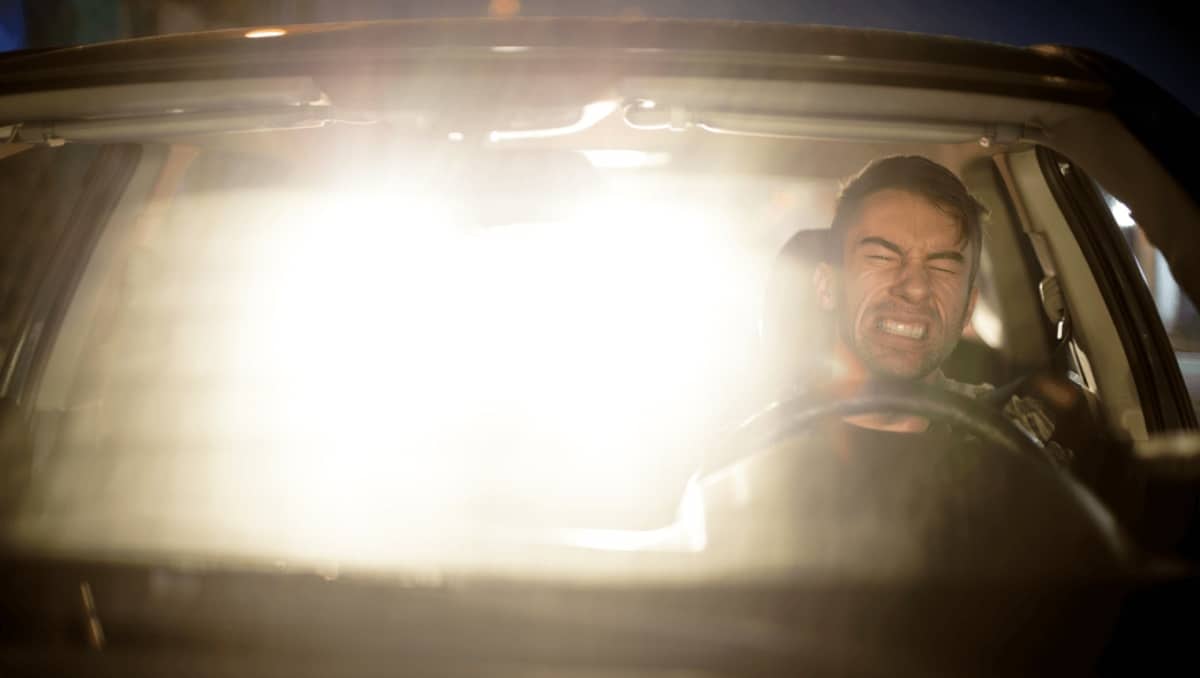
A viral TikTok showing a car flooded with white light from another vehicle’s headlights has reignited a debate about nighttime safety. The clip captured drivers’ anger and fear, as viewers described the glare as so intense it made seeing the road nearly impossible.
How one short video put headlight glare back in the spotlight
The video, posted by Alexa McNee, shows her car’s interior lit up by a vehicle behind her in slow-moving traffic. She said the brightness left her disoriented after the encounter. The post drew millions of views and widespread comment. On Reddit and other platforms, users posted similar photos and complaints. Many described the same experience: a sudden wash of white light that ruined visibility for minutes.
Who is most vulnerable on the road
Drivers with certain vision problems and medical conditions reported the worst effects. Comments on the viral clip came from people with:
Anglo-Saxon burial reveals “unprecedented” secrets: experts stunned by 1,400-year-old grave mysteries
What Your Instinctive Tree Choice Reveals About Your Personality—Experts Explain
- Astigmatism or other refractive errors.
- Autoimmune conditions that affect eyesight.
- Sensitivity to bright, blue-white light.
Several users said they avoid night driving entirely because of the risk of being momentarily blinded by aggressive headlights. Others noted the glare increased their stress and made long drives hazardous.
Why new headlights can seem so blinding
Automakers increasingly use LED lighting. Compared with older halogen bulbs, LEDs emit a sharper, whiter beam. That look can improve a car’s appearance and perceived safety. But the brightness and color also create intense glare for oncoming drivers.
- LEDs are often several times brighter than halogen bulbs.
- White-blue light scatters more in the eye than warm halogen tones.
- Higher vehicle ride heights, especially in SUVs and trucks, can aim beams directly at other drivers’ faces.
Manufacturers sometimes prioritize brighter beams to improve rating tests, even when that light becomes hazardous for others.
Regulatory gaps that let blinding beams reach the road
Experts point out that safety rules have not kept pace with lighting tech. In some markets, there is no strict legal cap on how bright headlights can be. Beam pattern testing isn’t always mandatory before sale. When lights are misaligned, even legally allowed bulbs can shine into drivers’ eyes.
How misalignment and design amplify glare
- Poorly aimed headlights throw light above the intended zone.
- Tall bumpers and higher seats change the angle of beams relative to other cars.
- Aftermarket bulbs or retrofits can exceed intended output and distort the beam pattern.
What drivers and lawmakers are demanding
Online reaction included calls for clear legal limits on headlight intensity. Many commenters blamed oversized vehicles and lax testing standards. Proposals discussed online include:
- Mandatory beam pattern verification at sale.
- Caps on lumen output for road-use headlights.
- Stricter rules for headlight height and aiming during inspections.
Some users argued that temporary blindness on the road should be treated like other traffic hazards.
Simple steps drivers can take right now
While legal changes can take years, drivers can reduce the risk today. Consider:
- Lowering your gaze slightly and scanning the road edges when faced with glare.
- Ensuring your mirrors and windshield are clean to cut added scatter.
- Checking your own headlights for correct aim and not using overly bright aftermarket bulbs.
- Using polarized sunglasses off the road to reduce sensitivity to white-blue light.
If glare leaves you visually impaired for several minutes, pull over safely until your vision recovers. Strong community complaints about lighting and safety have led some local lawmakers to review headlight standards. Advocacy and reporting dangerous beam alignment to authorities are ways the public is pushing for faster change.
How the conversation could reshape nighttime driving standards
The debate is forcing vehicle designers and regulators to re-examine assumptions made when LEDs were introduced. Engineers must balance long-range illumination with glare control. Regulators face pressure to adopt clearer metrics for beam color, intensity, and aim. Meanwhile, drivers share videos and photos to document the problem and push for action.