Show summary Hide summary
- Why “load lines” on fridges matter for your food
- How a few viral clips changed how people shop
- Practical shopping habits to reduce risk
- How stores should handle stocking and why employees care
- Voices from shoppers and professionals
- Simple checks you can do in the store
- Why this matters beyond a single trip to the store
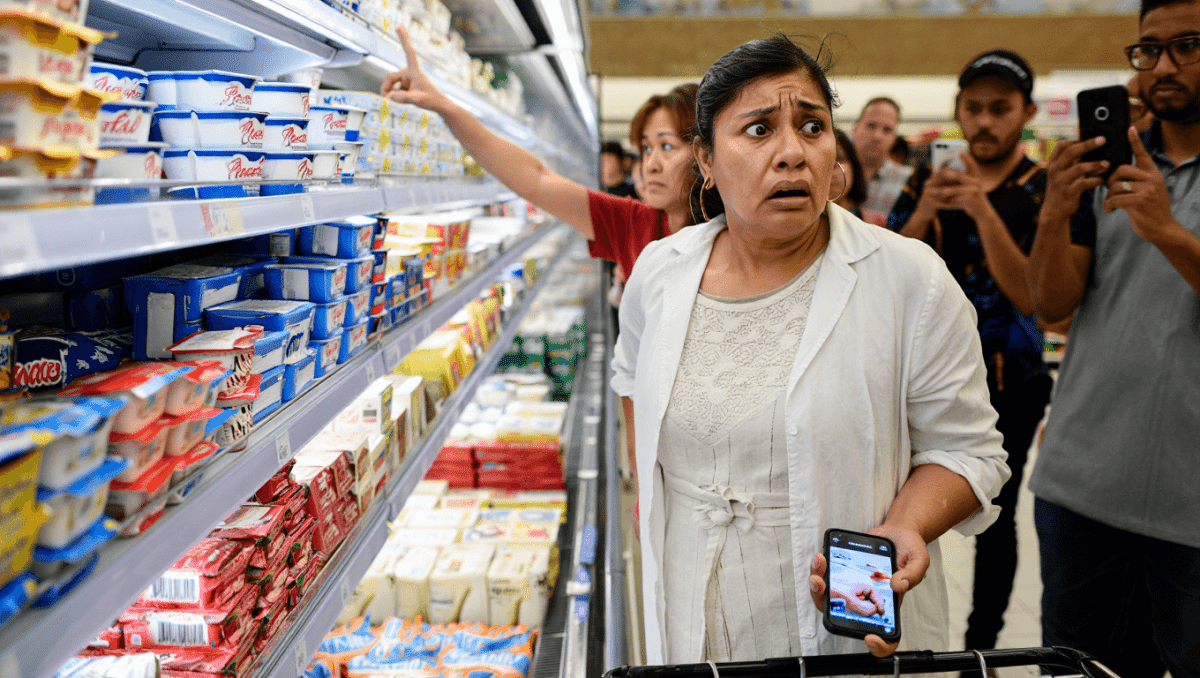
Grocery aisles have become the latest social media hot spot for food-safety advice. Short videos showing refrigerated displays and how items are stacked have sparked a practical debate: are some products too high on the shelf to trust? Creators and shoppers are now sharing tips to avoid warm spots and spoiled food.
Why “load lines” on fridges matter for your food
Shoppers scrolling through TikTok recently noticed a simple store detail that can affect food safety. Retailers mark a recommended maximum stocking height inside refrigerated cases. Go above that mark and you risk blocking airflow and creating warmer zones.
Anglo-Saxon burial reveals “unprecedented” secrets: experts stunned by 1,400-year-old grave mysteries
What Your Instinctive Tree Choice Reveals About Your Personality—Experts Explain
Blocked circulation raises the chance of spoilage. When cold air can’t move freely, temperature control suffers. That leads to inconsistent cooling and higher energy use, and it can shorten the safe life of dairy, meat, and other perishable goods.
How a few viral clips changed how people shop
Several creators filmed themselves pointing out items placed above these guidelines. Their videos encouraged viewers to reach for products set deeper in the case or lower in the freezer when possible.
Those clips resonated with many viewers. Comments included people who work in refrigeration, grocery employees, and home cooks who now check where a product sits before buying. The message was simple: placement can be a clue to whether an item has stayed at a safe temperature.
Practical shopping habits to reduce risk
Experts and experienced shoppers recommend modest changes that add little time at checkout.
- Grab items from the back or middle of a display when possible. These spots are more likely to be in steady cold air.
- Keep frozen and chilled items together in your cart to preserve temperature until you reach home.
- Bag raw meats separately to prevent juices from contacting other foods.
- Place fragile goods like bread and eggs on top to avoid crushing.
- Avoid open cases if you suspect the display is overloaded or has visible warm spots.
How stores should handle stocking and why employees care
Behind the scenes, retailers follow simple rules to keep displays safe. Staff are trained to respect the marked fill line, keep vents clear, and avoid stacking products in ways that restrict airflow.
Common employee practices
- Rotate stock so older items are at the front and newer items go to the back.
- Leave space around vents and grills so refrigerant can work efficiently.
- Monitor case temperatures and pull items if a zone is compromised.
When those practices are ignored, employees say, the result can be a repeat pattern of items placed outside the safe zone. That’s why some staff routinely check cases and correct overstocking.
Voices from shoppers and professionals
The conversation brought a mix of practical advice and first-hand observations. Several commenters explained they always reach for products deep in the cooler. Others shared stories from work in supermarkets and food service.
- Refrigeration technicians point out temperature inconsistencies in overloaded cases.
- Store employees say customers often stack products too high, either to save space or by accident.
- Home cooks prefer items that feel cold to the touch and are placed below the marked line.
Many viewers now check placement as a routine step before adding an item to their cart. For some, that small habit has become part of holiday meal prep and everyday grocery decisions.
Simple checks you can do in the store
Want quick, actionable steps while shopping? Try these:
- Inspect a product’s position relative to the case’s fill mark.
- Feel the package briefly; cold to the touch is a good sign.
- Choose items that look evenly chilled and lack frost buildup near seals.
- When in doubt, ask store staff if the case was recently restocked or if temperatures are monitored.
Why this matters beyond a single trip to the store
Small decisions in the aisle protect food quality and reduce waste. They also relieve stress about holiday cooking and everyday meals. When stores and shoppers follow basic refrigeration etiquette, fewer products spoil and fewer items end up wasted.