Show summary Hide summary
On a recent Fox Business segment, hosts pushed a surprising pitch: that identifying with the Republican Party could somehow enhance a woman’s sex appeal. The exchange, light on policy and heavy on image, reignited debate about the blending of beauty standards and political identity.
Fox hosts frame party affiliation as a style statement
During an episode of Jesse Watters Primetime, guest Katrina Campins suggested that women who register as Republicans appear more attractive. The host echoed the idea with minimal pushback.
Anglo-Saxon burial reveals “unprecedented” secrets: experts stunned by 1,400-year-old grave mysteries
What Your Instinctive Tree Choice Reveals About Your Personality—Experts Explain
The exchange treated political choice as a makeover, shifting the conversation from ideas to appearance.
- Campins compared the change to aging gracefully, implying a political choice aligns with a youthful or refined look.
- Watters responded with agreement, reinforcing the link between party label and desirability.
- The segment drew immediate attention online, where viewers dissected both claim and intent.
Decoding the “Mar-a-Lago face” label
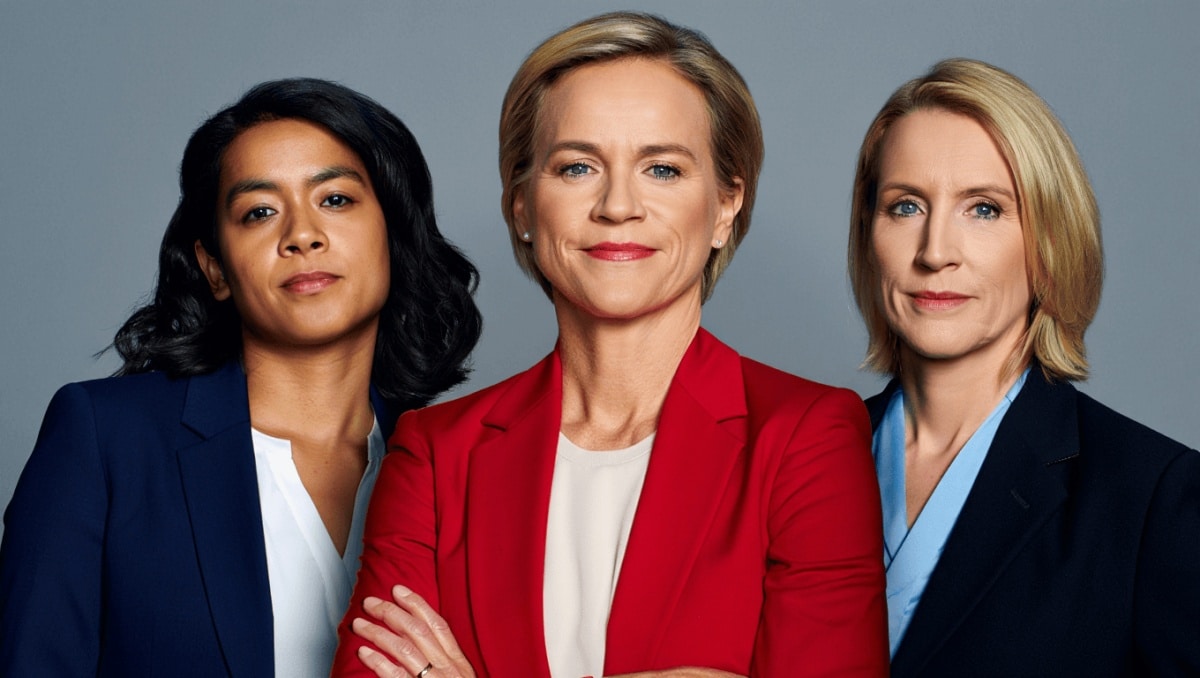
Observers have used the term “Mar-a-Lago face” to describe a particular, glossy aesthetic tied to figures in Trump-aligned circles.
- Common traits include pronounced filler, plumped lips, and a sculpted, immobile appearance.
- Public figures associated with this look include politicians and media personalities.
- Commentators compare the effect to reality TV glamour and stage makeup rather than subtle cosmetic work.
Notable faces and public perception
Names linked to the look vary, from elected officials to media figures. The label is used both as praise and as a critique.
Some fans view the style as aspirational. Critics see it as artificial or performative.
What plastic surgeons observe about the trend
Cosmetic doctors in Washington, D.C., say they have noticed an uptick in requests for conspicuous enhancements.
Surgeons report patients sometimes ask for dramatic results that push beyond natural proportions.
- Doctors describe a layered approach using Botox and dermal fillers to build volume.
- Some specialists call the end result a “mask-like” effect because facial movement is reduced.
- Surgeons say they must occasionally refuse procedures that would produce exaggerated or unnatural outcomes.
Medical professionals caution that too much augmentation risks a cartoonish look, and they emphasize judgment and restraint.
How the look became a political beauty template
The pairing of a cosmetic style with political identity is a recent media development.
Hosts and commentators have pushed the image as both a viral talking point and a form of branding.
- Supporters frame it as a confident, polished aesthetic tied to conservative values.
- Opponents treat it as an example of image politics or mock it online.
- Social platforms have amplified both praise and parody, turning the trend into culture-war fodder.
Online reactions and cultural pushback
Short-form videos and memes have alternately lampooned and celebrated the so-called conservative look.
Earlier in the year, creators mocked “Republican makeup” as a counter to liberal styling tropes. Now the conversation has shifted to a broader debate about authenticity and identity.
- Some viral clips lampoon heavy makeup or obvious contouring associated with political stereotypes.
- Other posts promote the look as glamorous and empowering for conservative women.
- The conversation mixes satire, social commentary, and genuine admiration.
What this means for politics, image, and medicine
The Fox segment illustrates how media can recast a political affiliation as a lifestyle choice.
Surgeons, influencers, and pundits now all play roles in shaping that narrative.
- Doctors must balance patient requests with ethical limits on cosmetic interventions.
- Media personalities can amplify an aesthetic into a political symbol.
- Audiences respond with both parody and adoption, fueling further attention.
The debate remains active across social platforms and medical offices, as image and ideology continue to intersect.