
Show summary Hide summary
A viral video has put a supermarket chain under scrutiny after a shopper filmed dark, slimy residue beneath refrigerated produce racks. The footage stirred alarm online as viewers debated whether the substance was harmless grime or dangerous mold settling near fresh vegetables.
Footage from a shopper sparks viral reaction
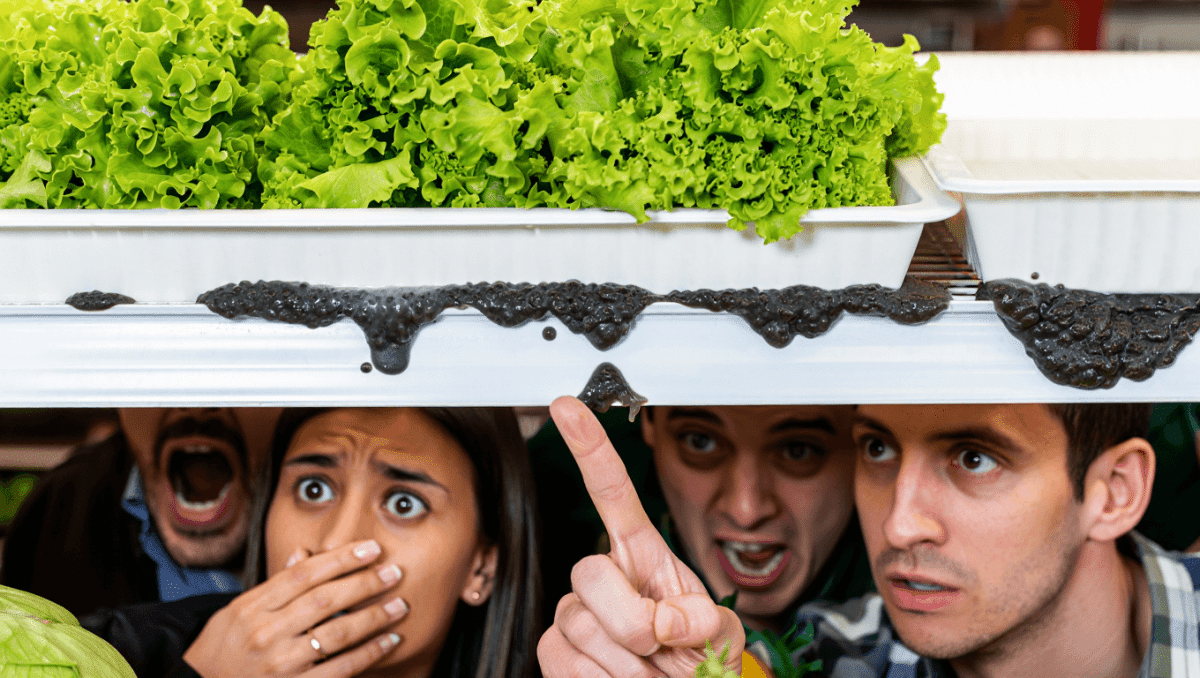
The clip, posted by a TikTok user known as Scooter The Explorer (@hoodtravelguide), drew millions of views and renewed attention to grocery-store hygiene. In the short video, the creator pans across the chilled produce display and exposes a vacant shelf area layered with black and brown buildup.
Anglo-Saxon burial reveals “unprecedented” secrets: experts stunned by 1,400-year-old grave mysteries
What Your Instinctive Tree Choice Reveals About Your Personality—Experts Explain
He points to vents and fans at the lower edge of the unit and suggests that air circulation could be spreading the contamination upward. The caption warned shoppers to be careful where they buy produce, and the creator later added that he felt ill after repeatedly purchasing vegetables from that location.
The recording’s rapid spread online amplified concerns about food-safety practices in retail settings. Many viewers reacted strongly to the visual evidence of filth near items people plan to eat raw.
What the video appears to show and why it matters
The visible residue in the clip looks like a dark, wet film pooled beneath shelving. Viewers described it as mold or contaminated water.
- Black and brown discoloration along the base of the display.
- Moisture and drip patterns suggesting leaks or condensation.
- Fans and vents located below produce shelves that could move particles upward.
Mold near fresh produce raises two immediate concerns: contamination of food that may be eaten without cooking, and airborne spores that can trigger respiratory reactions in sensitive people.
Guidance from food-safety experts and the USDA
Federal agencies advise caution when mold is present on or near food. The USDA warns that molds can produce allergens and respiratory irritants. Some molds also generate mycotoxins, which pose additional health risks.
Experts recommend avoiding items that appear to have been exposed to mold or damp, contaminated conditions. When in doubt, consumers are advised to notify store management or local health authorities rather than purchase the affected produce.
Exposure routes to consider:
- Direct contact with contaminated water or surfaces.
- Inhalation of airborne spores released by growth on damp materials.
- Cross-contamination from packaging or nearby products.
Reactions from shoppers and online commenters
Comments under the post ranged from outraged to practical. Many urged the creator to report the find to store leadership or municipal inspectors. Others criticized the store’s staff and management for apparent neglect.
- Calls for the health department to inspect the location.
- Accusations that cleaning routines were skipped or incomplete.
- Comparisons to other retailers that maintain strict cleaning protocols.
Some respondents described internal cleaning roles at other supermarkets and emphasized routine, deep-clean procedures as standard practice for managing condensation and spills.
Steps consumers can take when they spot similar issues
Shoppers who encounter suspicious buildup in a grocery store can take several actions to protect themselves and others.
- Inform store staff or ask to speak with a manager immediately.
- Document the condition with photos or video, noting date and time.
- Contact the local health department if the problem seems severe or persists.
- Avoid purchasing produce near the affected area until it is cleared and cleaned.
Keeping records helps public-health inspectors understand recurring problems and track enforcement actions.
What retailers should do to restore trust
When images of mold or leaks go public, stores need swift, transparent responses. That includes verifying the site, removing contaminated products, and performing a documented deep cleaning.
- Shut down the affected display until cleaned and inspected.
- Replace any produce that may have been exposed.
- Show customers the corrective steps and timelines.
- Review maintenance schedules for refrigeration units and drainage systems.
Proactive communication and visible remedial work reduce customer anxiety and limit reputational damage.