
Show summary Hide summary
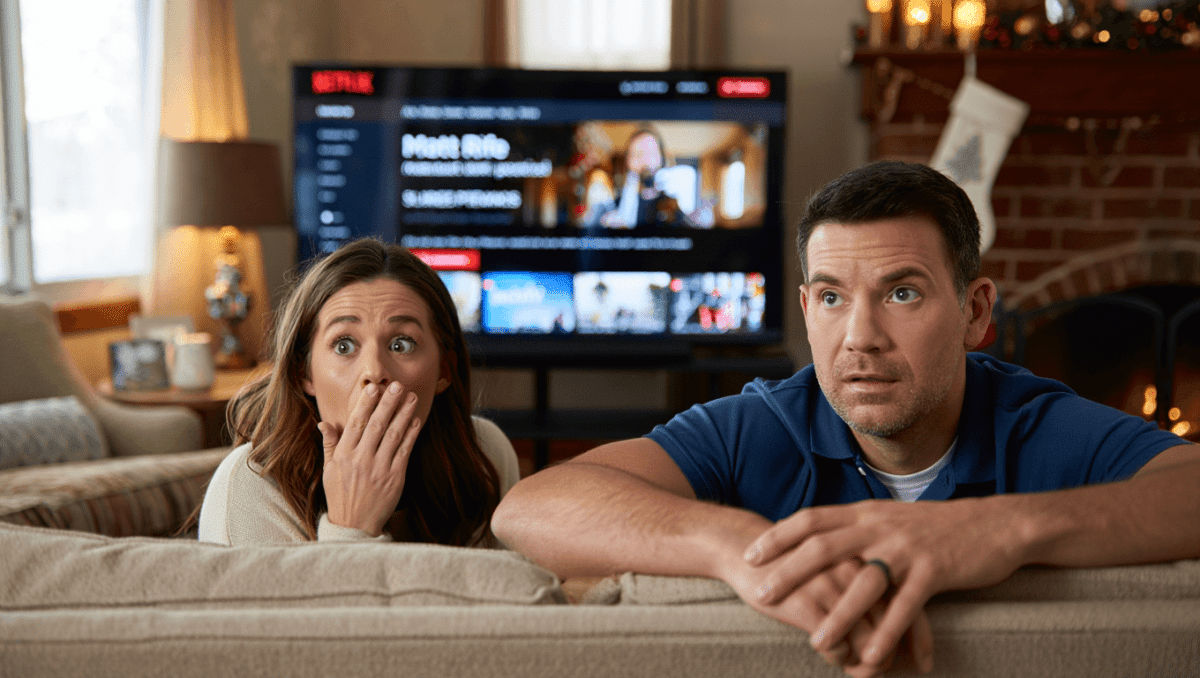
Parents logging into Netflix this week were greeted by an unexpected holiday reveal. The platform’s autoplay preview for comedian Matt Rife’s new special began with a line that many families found jarring: the suggestion that Santa isn’t the one placing gifts under the tree. That moment sparked fast online backlash, a streaming debate and renewed attention on how platforms pick which clips to play automatically.
Why a few seconds of autoplay caused a stir
The controversy began when Netflix promoted Matt Rife: Unwrapped – A Christmas Crowd Work Special with an autoplay clip on its homepage. The clip shows Rife addressing the audience about holiday traditions, and a single joke about parents filling Santa’s role landed on viewers’ screens immediately.
Anglo-Saxon burial reveals “unprecedented” secrets: experts stunned by 1,400-year-old grave mysteries
What Your Instinctive Tree Choice Reveals About Your Personality—Experts Explain
For families with young children nearby, the scene felt poorly timed. Parents said the preview started within seconds of opening the app, on defaults that many users never change.
Autoplay previews are powerful. A brief clip can shape perception, spoil a gag, or in this case, upset a family ritual in the span of a few seconds.
How parents and viewers reacted online
Social networks filled with complaints, reactions and counterarguments within hours.
- Some parents posted screenshots and short videos showing the autoplay starting on the Santa line. They criticized Netflix for featuring that moment.
- Others argued kids who use adult profiles are likely old enough to handle the reveal, and blamed account setup rather than the streamer.
- Many commentators framed the choice as a marketing decision aimed at attention and controversy.
Discussion threads on Reddit and posts on X (formerly Twitter) highlighted two main complaints: autoplay selection and the potential for accidental exposure to sensitive content. A number of replies noted that Netflix does offer children’s profiles, but real-world usage patterns can make that feature ineffective for some households.
Matt Rife’s profile and why this clip landed where it did
Rife rose to prominence as a crowd-work comic with a devoted fan base. Over time he has shifted material and image, and the new special leans into improvisational interactions with audience members.
That trajectory has not been without controversy. In 2023, Rife faced criticism for material in his prior Netflix special. The current release and its autoplay choice have reopened conversations about where comedians draw the line, and how streaming platforms should present edgy content to broad audiences.
Media pickup and the wider conversation
Traditional outlets quickly amplified the story after social posts gained traction. Television programs and entertainment sites picked up on parents’ concerns and replayed portions of the debate.
Coverage focused not just on the comic’s line, but on corporate responsibility. Questions included:
- How are autoplay clips chosen?
- Do platforms weigh family impact when selecting previews?
- Should streaming services offer clearer controls for families during holiday seasons?
Practical steps parents can take to avoid surprises
Families who want to reduce exposure to unexpected content can use several simple measures.
- Set up a Netflix Kids profile for young viewers to limit previews and titles.
- Turn off autoplay previews in account settings to stop clips from playing automatically.
- Use parental controls and PINs to restrict profile access for children.
- Preview new specials in private before letting kids use the device in shared spaces.
These settings do not always prevent every preview, but they can cut the chance that a surprise clip will play while children are nearby.
Industry response and what to watch next
So far there has been no official broad policy change announced by Netflix specifically tied to this incident. Platform curators and marketing teams often defend autoplay as a user-engagement tool, but backlash can prompt rapid adjustments.
Streaming services navigating holiday programming must balance promotion and sensitivity. Viewers and advocates are likely to keep pressing for clearer defaults and easier ways to protect family viewing experiences as the season continues.