Show summary Hide summary
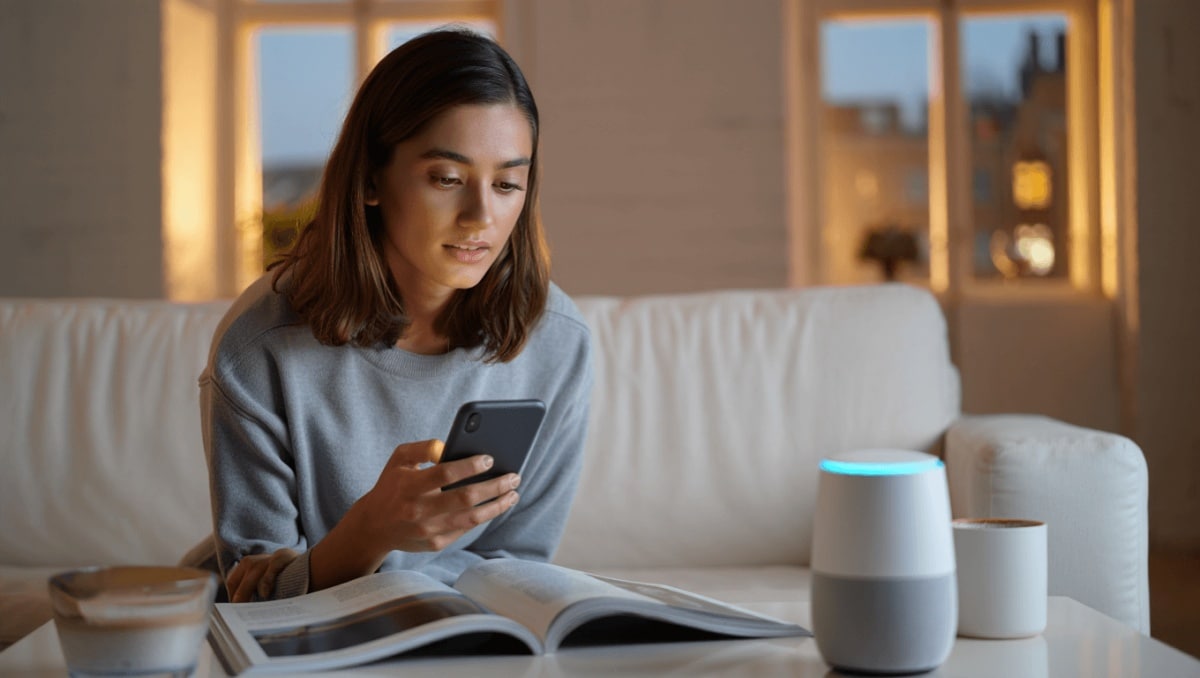
Dating in the digital age has taken another sharp turn: people are increasingly forming deep attachments to chatbots and AI companions, and those virtual bonds are starting to complicate real-world relationships.
How AI companions are changing the landscape of modern romance
A recent report from the dating app happn spotlights a tense new reality. As AI tools become common in daily life, more users are developing emotional ties to virtual agents. The shift is subtle but swift.
Anglo-Saxon burial reveals “unprecedented” secrets: experts stunned by 1,400-year-old grave mysteries
What Your Instinctive Tree Choice Reveals About Your Personality—Experts Explain
Key findings from the happn research show mixed feelings about digital companionship. About 41% of respondents were relatively comfortable with their partner having a close AI friend. Yet roughly 43% felt uneasy, and nearly 16% treated it like a betrayal.
These numbers reveal a clash between evolving technology and longstanding norms about intimacy. For some, AI companions are harmless support systems. For others, they trigger fears about loyalty and emotional fidelity.
Benefits and dangers highlighted by researchers
Scholars and clinicians are divided about what AI-driven relationships mean for emotional health. A recent review in ScienceDirect mapped both potential gains and real hazards.
- Potential benefits: users may gain personalized emotional feedback, a sense of companionship, and opportunities for sexual expression in a low-risk setting.
- Potential harms: dependency on bots, manipulation by algorithmic prompts, data privacy breaches, and a weakening of human-to-human bonds.
- Technical issues like abrupt updates or glitches can suddenly change or cut off a digital relationship, causing distress.
Why these AI ties can be fragile
Unlike human partners, chatbots can change overnight through updates or data shifts. That instability can turn a source of comfort into a source of anxiety.
Researchers warn that over-reliance on AI for emotional labor may make users more vulnerable to persuasive techniques built into platforms.
Voices from the field: therapists, dating experts, and users
Dating specialists say couples are still learning how to set boundaries around AI. Some see chatbots as tools that help people clarify their needs.
Others argue that true intimacy depends on human flaws and unpredictability. One dating advisor emphasized that AI may teach people about preferences, but it cannot replicate the full complexity of human love.
Meanwhile, anecdotal reports describe individuals who treat chatbots as romantic partners or even spouses. Those cases raise fresh ethical and psychological questions.
Practical steps for couples navigating AI situationships
Relationship experts suggest simple, actionable strategies to avoid conflict as AI becomes more present in everyday life.
- Talk openly about what each person considers emotional cheating.
- Agree on boundaries for private AI chats and shared accounts.
- Review privacy settings and what data the chatbot can access.
- Check in regularly about feelings toward any digital companion.
- Seek professional help if AI use is replacing human connection.
Questions couples should ask
- Why does one partner turn to AI for support?
- Does the AI role help or harm our communication?
- What steps can restore trust if a partner feels betrayed?
What to watch as digital intimacy evolves
Experts call the rise of AI situationships a complex, dual-edged trend. It offers new forms of companionship but also brings privacy and emotional risks.
As usage grows, researchers urge more study into long-term effects on relationships and mental health. In the meantime, couples are urged to balance curiosity about AI with clear, human-centered boundaries.