Show summary Hide summary
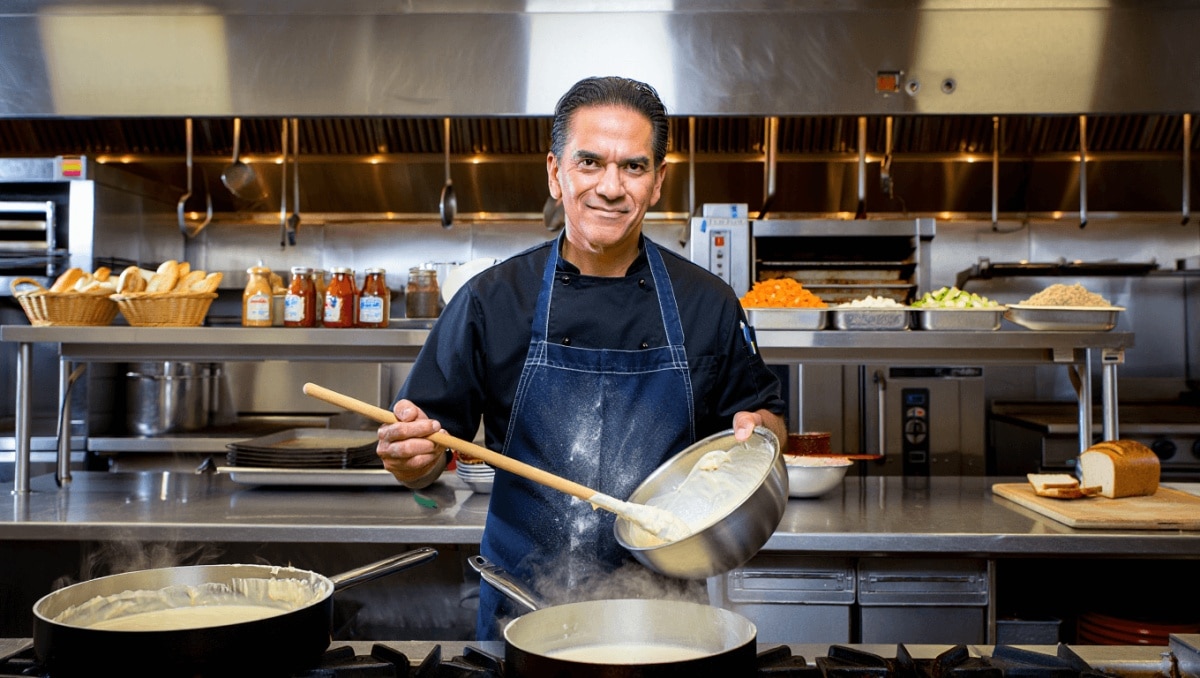
A short viral video from a former lead cook trainer is shifting how people view The Cheesecake Factory. The behind-the-scenes snapshot shows a large-chain operation that runs like a serious scratch kitchen, with hours of prep, dozens of fresh sauces, and cooks who take pride in speed and consistency.
How the Cheesecake Factory runs a true scratch kitchen
Insiders say the restaurant’s kitchen prepares nearly everything on site. That includes sauces, dressings, and most components of the massive menu.
Anglo-Saxon burial reveals “unprecedented” secrets: experts stunned by 1,400-year-old grave mysteries
What Your Instinctive Tree Choice Reveals About Your Personality—Experts Explain
- Menu items: roughly 110–130 dishes made in-house.
- Sauces: about 140 varieties prepared weekly.
- Exception: cheesecakes are produced centrally and shipped frozen from a bakery in California.
Most items are prepped from raw ingredients, not pre-made kits. The scale is unusual for a chain and explains the long prep lists and extensive training needed.
What a busy shift looks like: staff, stations, and pace
Restaurants of this size run large crews to meet demand. During peak hours, a typical kitchen can have dozens of team members on the floor.
- Team size: often 50 to 60 employees on site.
- Key roles: about 10 prep cooks and around 20 line cooks.
- Environment: high heat, fast tempo, and tight coordination across stations.
Veteran staff stress that the pace is intense but rewarding. Cooks are expected to be quick and precise. Many take pride in the quality of the food they turn out each night.
Training and career growth inside a national kitchen
The video comes from someone who trained new cooks across multiple openings. That perspective highlights a formal training pipeline.
- Lead trainers travel to new locations to mentor teams.
- Regional chefs regularly visit to coach techniques and correct issues.
- Managers actively intervene if a guest raises a concern during service.
For cooks wanting to sharpen skills in a high-volume setting, staff say this chain offers strong learning opportunities and real culinary discipline.
Daily prep details: sauces, salads, and made-to-order items
Many of the kitchen’s routines emphasize freshness and per-shift production. Examples shared by staff include long-simmered sauces and on-demand prep.
- Signature sauces can take hours to finish—one popular example needs about three hours.
- Salad station staff cut tomatoes to order rather than using pre-cut containers.
- Items like egg rolls and wontons are produced each shift, not pulled from freezer bags.
Nothing is treated as disposable; much is assembled the same day it’s served. That level of in-house work explains the complexity of running a single location.
Viewer reaction: why the TikTok struck a chord
The clip drew millions of views and sparked a wave of surprised comments. Many viewers said they had underestimated how much fresh work happens behind the chain’s logo.
- Some viewers were tempted to dine there after learning about the prep practices.
- Former and current staff echoed the video, describing pride in speed and standards.
- Others noted the fast remedial training managers provide when a dish misses the mark.
Overall, the inside look reframed the brand for many people. What looked like mass-produced fare became a display of organized, hands-on cooking.