Show summary Hide summary
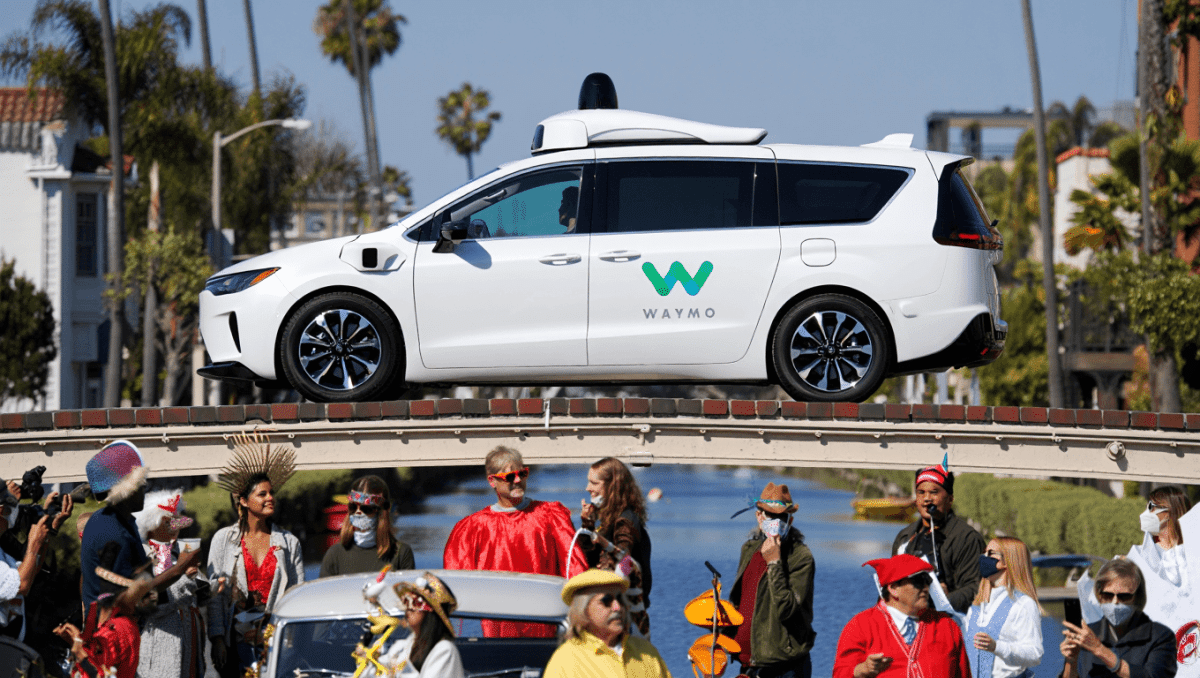
A Waymo robotaxi briefly brought a Venice Beach holiday parade to a halt, drawing cheers, laughs and frustration from locals who filmed the scene. Video of the hesitant autonomous car stuck on a narrow canal bridge spread across TikTok and YouTube, turning a routine community event into a viral moment that highlights the tension around self-driving vehicles.
Robotaxi stalls on a narrow bridge, blocks parade traffic
The incident took place during the annual Venice Beach Canals holiday boat parade. Residents line the canals and decorate boats for neighborhood prizes.
Anglo-Saxon burial reveals “unprecedented” secrets: experts stunned by 1,400-year-old grave mysteries
What Your Instinctive Tree Choice Reveals About Your Personality—Experts Explain
A Waymo vehicle rolled into the parade route and stopped on a single-lane bridge, creating a bottleneck with no easy detour. Multiple onlookers posted clips showing cars backed up behind the robotaxi.
- Location: Venice Canals, Venice, California.
- Road layout: one-lane bridge; no room to pass.
- Delay: attendees reported the vehicle hesitated for roughly 45 minutes.
Footage captured the slow progress as the car finally eased forward and crossed the bridge. The event drew attention not only for the delay, but for the way people reacted to a car operating without a visible human driver at the wheel.
Viral clips show crowd chanting and encouraging the autonomous car
Short videos on social platforms framed the scene as part spectacle, part community performance. Spectators cheered and shouted encouragement as the Waymo crept along.
In many clips, parade announcers and attendees cheered the vehicle on. Some calls were playful — a mix of amusement and disbelief that a machine needed encouragement to move.
Where the videos appeared
- TikTok posts documenting the stuck vehicle drew thousands of views.
- Longer uploads on YouTube included extended onlookers’ commentary and audio.
The tone of the footage varied. Some people enjoyed the novelty. Others used the incident to criticize autonomous driving technology.
History of Waymo incidents that fuel public skepticism
This is not the first time Waymo autonomous cars have made headlines for problematic behavior on public roads. Over recent years, several incidents have heightened concerns about their safety.
- School bus interactions: Reports surfaced of AVs failing to recognize flashing bus lights and not stopping, creating hazardous situations for children.
- Emergency scenes: Vehicles have reportedly driven near police standoffs and tense road incidents where human judgment typically redirects traffic.
- Property and pet harm: There have been cases where pets were struck by self-driving vehicles.
- Passenger safety oddities: Social posts have highlighted unusual interior discoveries, including a report of a person found in a vehicle trunk by a rider.
These events add context to why some observers do not find the Venice parade moment amusing. To critics, the bridge stall is another example of an imperfect system operating among people and traffic.
Public reaction split between amusement and alarm
Responses online ranged from playful to pointed. Many locals laughed and cheered. Others called for a return to human drivers and stricter oversight of robotaxis.
- Some commenters treated the moment as a light, community memory.
- Others warned about larger safety problems and urged policy fixes.
- Calls for human taxi drivers or improved detection systems appeared frequently.
Critics argue that incidents like these show how autonomous fleets must improve object detection and decision-making before wide deployment. Supporters counter that these moments reflect edge cases and learning opportunities for complex software.
What this means for autonomous vehicle deployment and local events
As self-driving cars expand into more neighborhoods, clashes with traditional traffic patterns are likely to continue. Events with narrow roads, like canal parades, can expose limitations in route planning and obstacle handling.
- Municipal planners may need to coordinate with AV operators ahead of public events.
- Operators could program geofences or temporary restrictions for high-foot-traffic areas.
- Public education can help set expectations when autonomous vehicles share local streets.
City officials, tech companies and residents will watch how Waymo responds to such viral incidents. The dialogue touches on technology, safety, and the social side of seeing driverless cars in everyday life.