Show summary Hide summary
- Why the Academy is moving the Oscars to YouTube: reach and streaming trends
- How the public responded: cheers, memes and skepticism
- Possible changes to the show format and broadcast rules
- Concerns about quality, advertising, and prestige
- What fans and insiders hope to see from a YouTube-era Oscars
- Contract details and the near-term timeline
- What industry watchers will track before 2029
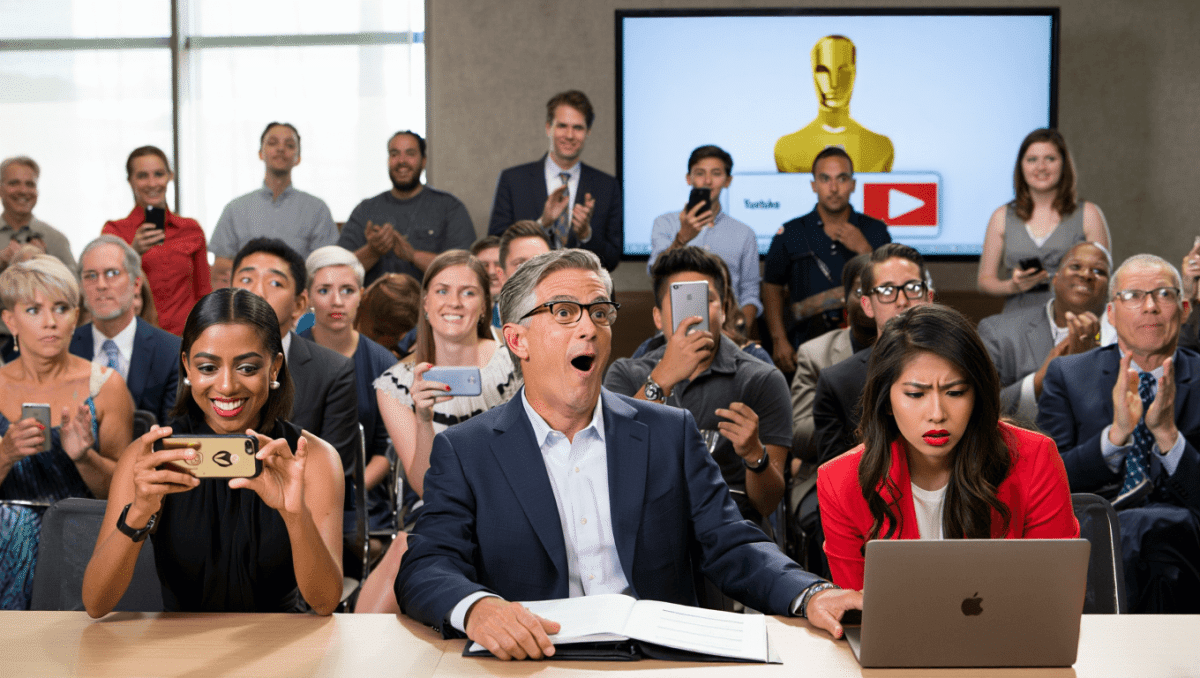
When the Academy announced that the Oscars will stream on YouTube beginning in 2029, movie lovers worldwide reacted fast. The shift ends a long ABC run and promises broader access. Fans and industry voices weighed the trade-offs between tradition and the streaming era.
Why the Academy is moving the Oscars to YouTube: reach and streaming trends
The change reflects how audiences watch TV now. Streaming platforms dominate living rooms and mobile screens.
Anglo-Saxon burial reveals “unprecedented” secrets: experts stunned by 1,400-year-old grave mysteries
What Your Instinctive Tree Choice Reveals About Your Personality—Experts Explain
- ABC aired the Oscars since 1976, but the Academy wants a wider global footprint.
- The Academy says the ceremony will be available live and free to more than 2 billion viewers on YouTube.
- U.S. viewers who subscribe to YouTube TV will have access through that service.
- Accessibility features promised include closed captioning and multiple language audio tracks.
How the public responded: cheers, memes and skepticism
Social posts ran the gamut. Some users celebrated the new audience potential. Others feared a loss of glamour.
- Supporters see global benefits and hope the move boosts interest in international film.
- Creators and high-profile YouTubers signaled curiosity about participating or covering the event.
- Critics worry that ads, influencer culture, or a change of platform could dilute the ceremony’s prestige.
- Some imagined awkward red carpet moments if mainstream internet personalities overshadow filmmakers.
Possible changes to the show format and broadcast rules
Streaming removes many constraints that traditional networks impose. That opens room for format tweaks.
- No strict runtime limits could allow extended acceptance speeches or extra segments.
- The Academy could reintroduce awards or moments previously cut for time.
- Streaming may reduce network or studio interference in content and pacing.
- Expect more clips, backstage access, and digital extras to engage online viewers.
Concerns about quality, advertising, and prestige
Not every fan is reassured. The platform shift ignited debates about ceremony tone and production value.
- Some argue that moving off a major broadcast network may sap the Oscars’ traditional mystique.
- Others fear interruptions from platform ads or lower production standards tailored for streaming.
- There’s anxiety about the ceremony prioritizing viral moments over film craft.
What fans and insiders hope to see from a YouTube-era Oscars
Alongside doubts, voices in the industry suggested potential upsides if the Academy embraces digital strengths.
- More international viewers discovering nominated films.
- Expanded behind-the-scenes coverage and backstage interviews.
- Opportunities for longer-form storytelling about the filmmaking process.
- Improved accessibility features for global audiences.
Contract details and the near-term timeline
The deal locks in YouTube’s role for several years, but the transition arrives after a grace period.
- The agreement with YouTube runs through 2033.
- Until then, the next three Oscar ceremonies will continue to air on ABC.
- The upcoming ceremony is scheduled for March 15, 2026.
What industry watchers will track before 2029
Observers will look for signs of strategy and production planning as the launch year approaches.
- How the Academy plans to adapt production to a streaming-first audience.
- Whether sponsors or advertisers will shape the show differently on YouTube.
- Which digital features and international language options are prioritized.
- How talent and studios respond to a platform that blurs awards coverage and online fandom.