Show summary Hide summary
- Inside the Giant Grasslands Vivarium: the skirmish that drew millions
- What is a vivarium and why this setup matters for small ecosystems
- How viewers split: fascination, criticism and accusations of staged drama
- Defenders argue the channel inspires curiosity and learning
- What the debate reveals about online nature content
Late November brought a dramatic upload from YouTuber AntsCanada, showing a violent scramble among tiny residents of his custom-built grasslands vivarium. The footage, packed with frantic movement and tense narration, quickly sparked debate online about whether this was natural behavior or staged drama for clicks.
Inside the Giant Grasslands Vivarium: the skirmish that drew millions
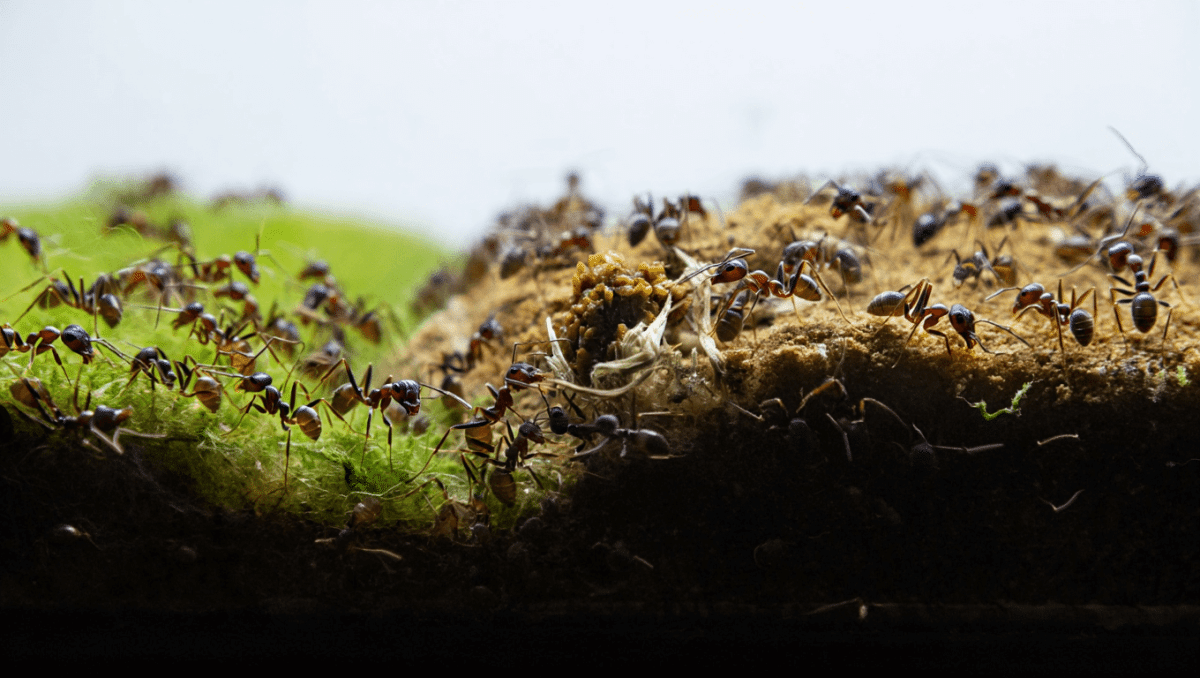
In a near half-hour clip, AntsCanada documented what he presented as a full-scale confrontation inside his large grasslands habitat. He described a coordinated invasion by a large colony of black “crazy ants” that overwhelmed other inhabitants.
Anglo-Saxon burial reveals “unprecedented” secrets: experts stunned by 1,400-year-old grave mysteries
What Your Instinctive Tree Choice Reveals About Your Personality—Experts Explain
Viewers saw ants swarming through tunnels, attacking other species, and altering the vivarium’s balance. The creator framed the event as an emergency threatening the miniature ecosystem he had assembled.
The result was chaos that viewers either found fascinating or frustrating. For some it was enthralling natural history. For others it looked like a manufactured crisis.
What is a vivarium and why this setup matters for small ecosystems
A vivarium is a contained, live habitat that simulates real ecosystems for plants and animals. Think of it as a living diorama where humidity, soil, vegetation, and fauna interact in a limited space.
- Types include rainforest, desert, and grassland microhabitats.
- They can be sealed or semi-open and often rely on a bioactive substrate.
- Maintaining balance means thoughtful species selection and monitoring.
Because a vivarium is closed, introducing a dominant species can quickly tip ecological scales. In this case, the invading ants were portrayed as a fast-spreading force that jeopardized the tank’s diversity.
How viewers split: fascination, criticism and accusations of staged drama
Audience reaction on social platforms was sharply divided. Some fans praised the excitement and the chance to watch interspecies dynamics play out in detail.
- Fans who enjoy live-action insect content called it riveting and educational.
- Critics argued the pattern felt repetitive and engineered for views.
- Others focused on presentation style, saying it veered between alarmist and casual.
Reddit users were especially vocal. One poster shared a collage of previous videos with similar crisis themes and said they stopped watching because the channel repeatedly staged avoidable disasters.
Comments highlighted a perceived formula: pack a vivarium with many species, wait for conflict, then film the fallout. That pattern, critics say, rewards sensationalism over careful stewardship.
Specific complaints from the community
- Frequent “crisis” videos that follow the same narrative arc.
- Allegations that creators knowingly create risky mixes of species.
- Delivery and voiceover style described by some as theatrical or affected.
Defenders argue the channel inspires curiosity and learning
Not all responses were negative. Several commenters pushed back, arguing the channel serves as an accessible gateway to science for younger audiences.
Supporters said the dramatic framing helps engage kids, encouraging backyard exploration and basic scientific thinking. A few likened the approach to an informal naturalist show that sparks questions more than it delivers polished research.
Supporters emphasized practical benefits:
- Encouraging observation and experimentation.
- Making entomology approachable for novices.
- Showing life-and-death dynamics that prompt discussion about ecology.
What the debate reveals about online nature content
This episode highlights a larger tension in nature media on platforms like YouTube. Creators balance educational goals with the platform’s incentives for dramatic content.
When small ecosystems are used as stages, audiences question whether the spectacle outweighs the ethics of manipulating animal interactions for entertainment.
At the same time, popular channels can introduce millions of viewers to ecology and animal behavior.