
Show summary Hide summary
- Why the “black box” method failed and what that means
- How people found the hidden words online
- Official response and the scramble to fix it
- How the public reacted on social platforms
- What legal and privacy experts are warning
- Safe testing and responsible handling of released documents
- Questions still unanswered about the redaction process
A routine release of court documents turned into an unexpected scandal when users discovered a simple trick to bypass many of the Justice Department’s blacked-out passages. What should have been a controlled disclosure instead sparked a flood of online ridicule and fresh questions about how the files were prepared and why some redactions failed.
Why the “black box” method failed and what that means
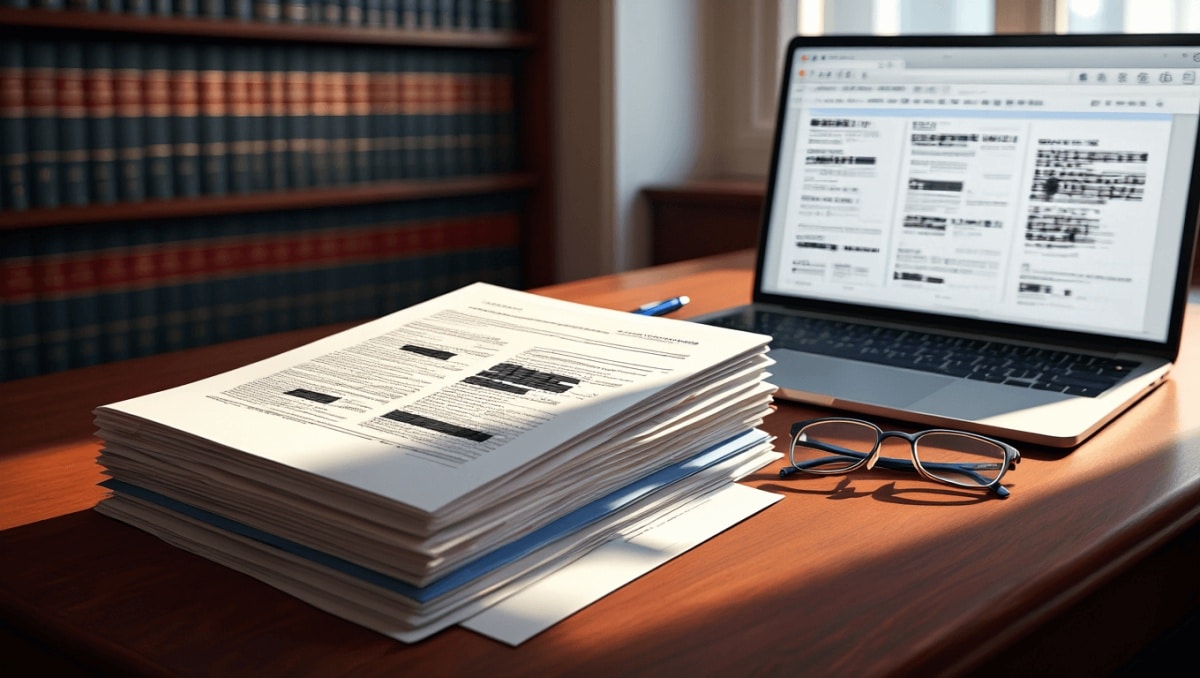
Many of the released PDFs appeared to be hidden with thick black rectangles. But those boxes often sat on top of an intact text layer.
Anglo-Saxon burial reveals “unprecedented” secrets: experts stunned by 1,400-year-old grave mysteries
What Your Instinctive Tree Choice Reveals About Your Personality—Experts Explain
- Consumer PDF editors sometimes draw shapes over text rather than remove the underlying characters.
- When the text layer remains, it can be extracted by basic tools or pasted into a word processor.
- Not every redaction was vulnerable, implying different processes or tools were used across files.
Technical observers say the likely cause is the use of common software like Adobe Acrobat without applying a true redaction command. Those programs may even warn users that drawing over text does not permanently eliminate it.
How people found the hidden words online
After the document dump, social platforms filled with quick demos. Users showed how moving content into a simple editor exposed text under many so-called redactions.
- Some demonstrations copied selected text from the PDF into a plain document and found readable content.
- Short videos and screenshots amplified the spread of the discovery within hours.
- Reactions ranged from amusement to alarm at the potential privacy and legal fallout.
Official response and the scramble to fix it
Officials have pushed back with explanations and urgent actions. One source said some pages already arrived in that format due to earlier litigation. Other reports say the department sought volunteers to help redact remaining materials properly.
Yet the sequence of events raised fresh concerns:
- Files were released with heavy black markings.
- Citizens quickly uncovered the underlying text on many pages.
- The agency issued an emergency call to assist with redactions on unreleased files.
The mixed quality of redactions suggests no single team or standard was applied across the entire production.
How the public reacted on social platforms
Online commentary mixed sarcasm with serious questions about competence and transparency. Many posts framed the problem as a basic, avoidable mistake.
- Some users joked about the simplicity of the method used to expose redacted text.
- Others criticized the administration and the department for sloppy document handling.
- Several commentators pointed out that younger, tech-savvy users were the first to spot the issue.
Across threads, the discovery fueled renewed scrutiny of the broader document release and the decisions behind what was made public.
What legal and privacy experts are warning
Lawyers and information-security specialists emphasize that improper redactions can have consequences beyond embarrassment. Poorly redacted files can:
- Expose sensitive names or details that were meant to remain confidential.
- Complicate litigation and lead to additional court orders or sanctions.
- Undermine public trust in the document-release process.
Experts stress the difference between cosmetic masking and irreversible redaction. True redaction removes or replaces the underlying data, not just the visible characters.
Safe testing and responsible handling of released documents
For people checking public records, practitioners advise caution. Testing whether a redaction holds can be done without amplifying private details.
- Use non-public, local tools to examine document structure rather than reposting sensitive content.
- Report confirmed failures to the releasing authority so corrections can be made.
- Avoid circulating unredacted material that may identify victims or reveal private information.
Advocates urge agencies to adopt stricter procedures and automated checks before any public release. That includes standardized redaction workflows and verification by trained staff.
Questions still unanswered about the redaction process
Key issues remain unresolved. Observers want to know which teams prepared each batch of files and what quality controls were in place. They also want clarity on why some redactions were effective while others were not.
The combination of hurried releases, mixed redaction methods, and public exposure has turned a document dump into a broader debate over procedural competence and transparency.