Show summary Hide summary
- How the Kennedy Center changed under Trump’s direction
- Ratings collapse: the numbers and what they show
- Public reaction and social media fallout
- Voices from artists, audiences and commentators
- Why this matters for broadcast television and cultural institutions
- Questions the episode leaves open for the Kennedy Center
President Donald Trump’s recent stewardship of the Kennedy Center has become a focal point for criticism and cultural debate as a holiday broadcast under his watch drew record-low viewership. The ceremony’s ratings slump has amplified questions about the center’s direction, public appetite for official involvement, and how celebrity events fare when politics overshadows the art.
How the Kennedy Center changed under Trump’s direction
Since the start of his second term, the President reshaped the institution’s leadership and public image. He replaced trustees with allies, placed his name on parts of the building, and altered displays that had been part of the center’s history.
Anglo-Saxon burial reveals “unprecedented” secrets: experts stunned by 1,400-year-old grave mysteries
What Your Instinctive Tree Choice Reveals About Your Personality—Experts Explain
These moves transformed a long-standing cultural institution into an arena where politics and symbolism meet performance. For many observers, that shift made the center less of a neutral arts venue and more an extension of the administration.
Ratings collapse: the numbers and what they show
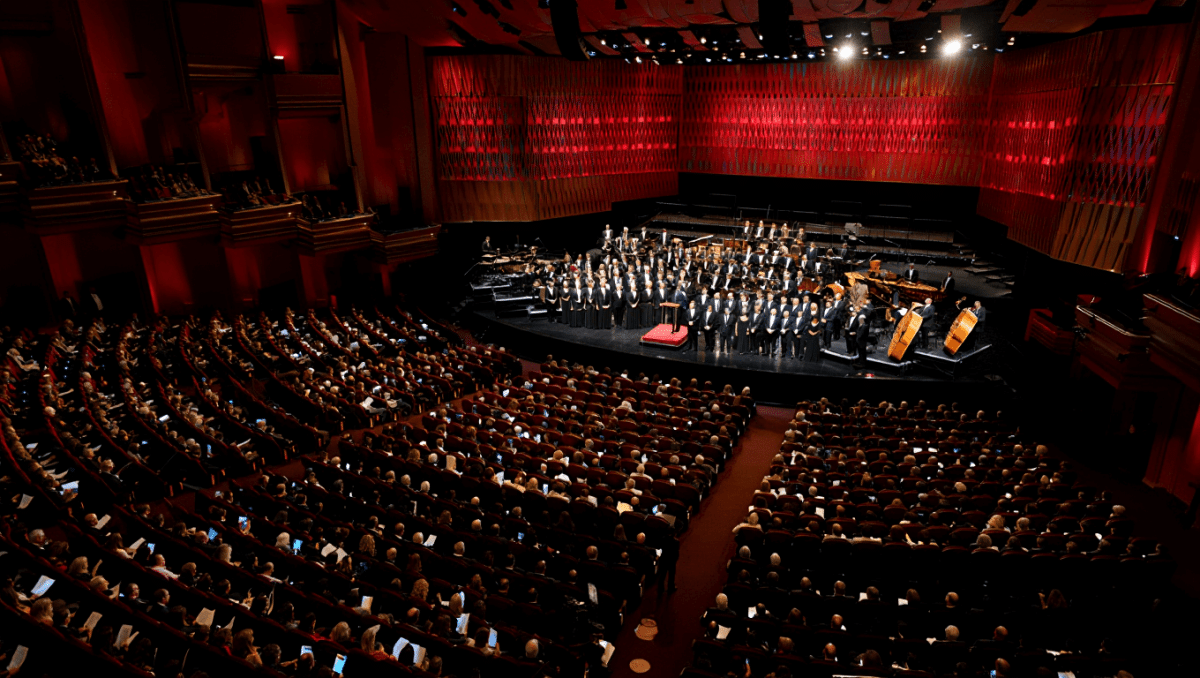
Early Nielsen data show the 48th Kennedy Center Honors telecast on CBS averaged about 2.65 million viewers. That is a sharp drop from the prior year’s average of roughly 4.1 million.
Media analysts point out several takeaways:
- Viewership fell by roughly a third year-over-year.
- Audience decline occurred despite a holiday evening slot.
- Controversies surrounding the administration likely depressed casual viewership.
Public reaction and social media fallout
The internet response was swift and pointed. Social feeds mixed humor, anger, and disappointment as users processed the ratings news.
Common themes online
- Mockery of bragging: Many noted the contrast between past boasts about hosting the show and the final numbers.
- Art vs. politics: Fans of honored artists said they avoided the broadcast because the event felt politicized.
- Cultural alarm: Some commentators framed the takeover as damaging to the Kennedy Center’s reputation.
Reactions ranged from short, biting remarks to long threads lamenting how a national arts ritual turned into a political flashpoint.
Voices from artists, audiences and commentators
Performers, loyal fans, and cultural critics all weighed in. A number of longtime supporters of the honorees said they could not watch a ceremony that felt hijacked by partisan spectacle.
Commentators on both sides of the political aisle framed the ratings drop as evidence of broader cultural consequences when institutions are overtly repurposed for political ends.
Why this matters for broadcast television and cultural institutions
The episode highlights several ongoing shifts in media and public life:
- Network audiences are fragmented and quick to switch off when controversy rises.
- Cultural institutions risk alienating patrons when governance appears politicized.
- High-profile events rely on perceived authenticity to draw viewers.
Industry insiders say the combination of political headlines, leadership changes at the center, and the availability of streaming options intensified the drop.
Questions the episode leaves open for the Kennedy Center
As attention moves past the broadcast, several practical questions remain:
- Will board governance return to a more traditional model?
- Can future broadcasts restore trust with audiences?
- How will the center balance honoring artists while avoiding the appearance of partisan use?
Answers will influence not only next year’s ceremony, but also how cultural venues interact with government and the public going forward.