
Show summary Hide summary
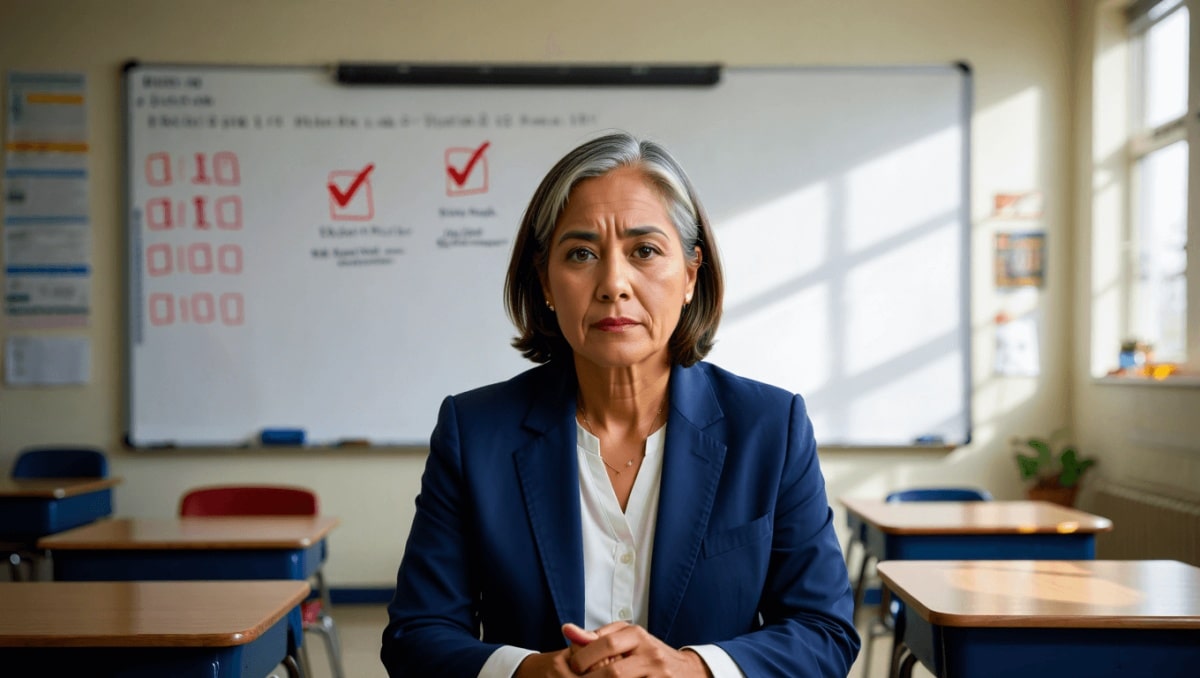
A Dallas eighth-grade history teacher’s viral TikTok has reignited debates about literacy, screen culture and the broader cognitive health of students. In a short clip that drew millions of views, she shared stark classroom data and a growing sense of alarm that has educators and parents asking whether schools can reverse trends set in motion over the past decade.
Classroom alarm: the numbers behind the video
The teacher described a class of 110 students and reported that only two of them are reading at the expected grade level. She said 18 pupils are reading at a kindergarten level, and almost half fall between second and fourth grade reading levels.
Anglo-Saxon burial reveals “unprecedented” secrets: experts stunned by 1,400-year-old grave mysteries
What Your Instinctive Tree Choice Reveals About Your Personality—Experts Explain
Her message was direct: this is not merely about missing content. She warned the deficit looks like a breakdown in elementary reasoning and attention. In her words, she can teach methods and analysis, but she struggles to teach students how to think in the first place.
Why the clip spread so fast on social platforms
The video struck a nerve for several reasons.
- It surfaced on TikTok, a platform associated with short-form video and high screen time.
- Viewers saw the figures as a dramatic, relatable illustration of a larger educational problem.
- Many commenters connected the classroom snapshot to pandemic disruption and long-term shifts in how young people consume information.
Reposts on Reddit and teacher forums amplified the conversation. Some users described nostalgia for a time when students read longer texts for pleasure. Others blamed institutional choices and cultural shifts that they say devalue deep reading.
National test results that echo classroom observations
Recent Nation’s Report Card (NAEP) data for 2024–2025 show a worrying pattern. Only 31% of eighth graders scored at or above the proficient level in reading. The report also indicates that students who were already behind before COVID fell further back after lockdowns.
Researchers point to several contributing factors, including disrupted instruction during the pandemic and changing leisure habits. Higher screen exposure and less time spent reading books are frequently cited in expert analyses.
Experts: literacy connects to broader cognitive skills
Educators and cognitive scientists argue that reading supports a range of mental abilities beyond decoding words. Reading for depth builds reasoning, empathy, and the habit of sustained attention.
- Reading comprehension helps students interpret complex ideas.
- Long-form texts foster sustained focus and critical thinking.
- Frequent screen-based browsing may encourage skimming, not deep processing.
Those who study the problem warn that gaps in reading can cascade into poorer performance in other subjects and diminished civic engagement over time.
Common explanations and classroom realities
Voices from the thread and from teachers reflect a mix of causes and consequences.
- Screen time: Many blame short-form apps for shortening attention spans.
- Pandemic learning loss: Interrupted instruction created widening gaps.
- Funding and policy: Some commenters point to decades of underinvestment in schools.
- Cultural trends: Critics argue that anti-intellectual currents reduce incentives to value reading.
Teachers say the day-to-day reality is messy. They report students who can navigate devices but struggle to interpret paragraphs, infer meaning, or synthesize ideas across texts. A common refrain: students can transfer information from a screen to their hands without pausing to process it.
What parents and educators are discussing next
Conversations sparked by the clip range from calls for targeted literacy interventions to proposals for limiting recreational screen time. Some suggest intensive reading programs, while others push for broader systemic fixes.
Proposed responses circulating online
- Expand early childhood reading initiatives.
- Introduce sustained silent reading in middle schools.
- Provide teachers with more diagnostic tools and smaller reading groups.
- Encourage families to model and prioritize reading at home.
As debates continue, the viral post has placed a spotlight on the intersection of technology, policy and classroom practice. Educators hope the attention translates into concrete steps to support struggling readers and rebuild habits of deep thinking.