Show summary Hide summary
- AI-generated clips triggered a fake Brooklyn Bridge fireworks rush
- How social platforms and creators amplified the hoax
- Public reaction: humor, anger, and safety concerns
- Why the misinformation succeeded: technology meets trust gaps
- Practical steps to avoid falling for event hoaxes
- Changes platforms and officials might consider to curb harmful hoaxes
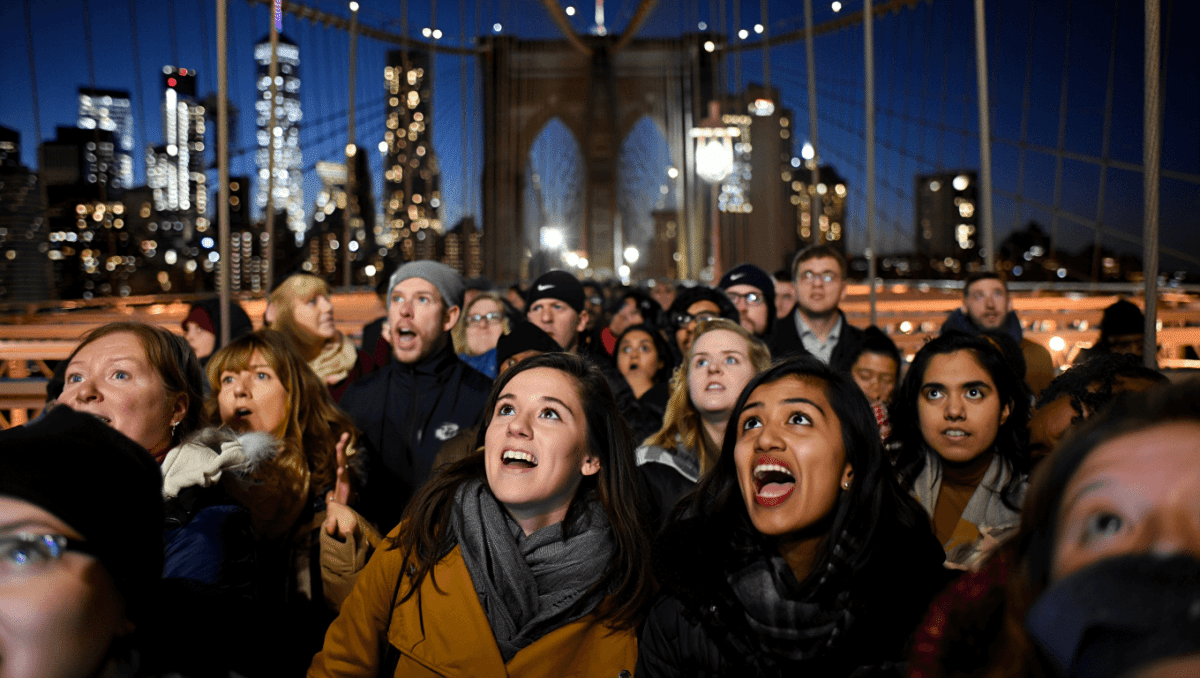
Thousands of New Yorkers braved cold temperatures on New Year’s Eve after social feeds filled with AI-generated clips suggesting fireworks would light up the Brooklyn Bridge. When the clock struck midnight, there was only silence — and a stunned crowd that had come for a celebration that never existed.
AI-generated clips triggered a fake Brooklyn Bridge fireworks rush
Social accounts circulated videos showing dazzling fireworks over the Brooklyn Bridge. The clips looked real enough to convince many viewers they were previews for a New Year’s Eve display. In reality, those scenes came from earlier celebrations, not a scheduled NYC event.
Thousands gathered along the East River expecting a coordinated fireworks show. They waited for hours and saw nothing at midnight. The disappointment exposed how easily manipulated content can drive real-world action.
Anglo-Saxon burial reveals “unprecedented” secrets: experts stunned by 1,400-year-old grave mysteries
What Your Instinctive Tree Choice Reveals About Your Personality—Experts Explain
- Videos were edited or reposted without context.
- Several posts reused footage from July 4th and other holidays.
- Pages running the clips often had no local ties to New York.
Local resident Marco Abbiati told followers that many of the viral posts came from accounts run by outsiders who hadn’t experienced New York’s typical New Year’s Eve routine. He warned that AI and social platforms can spread misleading claims fast when no verification occurs.
How social platforms and creators amplified the hoax
Algorithms favor engagement, and sensational clips perform well. That dynamic helped the bogus fireworks posts reach broad audiences across TikTok, Instagram, and other sites. Creators reposted or repackaged footage without timestamps or clear sourcing.
What drove people to the waterfront
- Bright, cinematic clips created urgency and expectation.
- Shares and comments amplified visibility in local feeds.
- Few checked official event pages or municipal announcements.
Platforms do not always label AI-generated edits, so viewers can mistake repurposed clips for announcements. When thousands act on those mistakes, the consequences are immediate and visible.
Public reaction: humor, anger, and safety concerns
Reactions ranged from amusement to alarm. Some social posts joked about New Yorkers’ familiarity with official fireworks locations, while others criticized fans for accepting content at face value.
A viral clip from a local TikToker showed a long line of disappointed onlookers and drew mockery toward accounts that spread the footage. Many commenters compared the scene to an elaborate prank.
- Some found humor in the mix-up and shared memes.
- Others worried about public safety and crowd control.
- Questions arose about whether authorities could have warned people earlier.
Concerned users asked how so many people failed to verify the claim and why law enforcement or city agencies did not disperse the crowd sooner. The incident stirred debate about responsibility online and offline.
Why the misinformation succeeded: technology meets trust gaps
The episode reveals a predictable pattern: convincing visuals, rapid sharing, and weak verification. AI tools now make it easy to create realistic clips or to edit originals so they appear current.
Factors that helped the hoax spread:
- High-quality, attention-grabbing footage.
- Algorithms that prioritize trendy content over accuracy.
- Audiences that trust social feeds more than official channels.
When local knowledge is thin, outsiders can publish confidently and mislead many. That gap between real-world context and online narratives fuels false events and gatherings.
Practical steps to avoid falling for event hoaxes
To reduce the chance of being misled, follow these verification habits:
- Check official city or event websites (for NYC, visit nyc.gov).
- Follow verified social accounts for police, transit, and tourism agencies.
- Look for timestamps, original sources, or reverse-image searches.
- Cross-check claims across multiple reputable outlets before acting.
- If unsure, assume the event is unconfirmed and avoid large crowds.
Simple habits like checking municipal announcements can prevent long, cold waits and safety risks. Digital literacy matters when visuals are persuasive but context is missing.
Changes platforms and officials might consider to curb harmful hoaxes
The Brooklyn waterfront episode suggests steps that social platforms and city agencies could take to limit damage from false event posts.
- Platforms could label AI-edited videos more clearly.
- Local governments might push timely alerts or event calendars to residents.
- Creators spreading viral content should be urged to cite sources and dates.
- Police and municipal communications teams could monitor viral claims on major apps and issue corrections quickly.
Improved coordination between platforms and local authorities can reduce confusion and prevent crowds from gathering for events that were never planned.