Show summary Hide summary
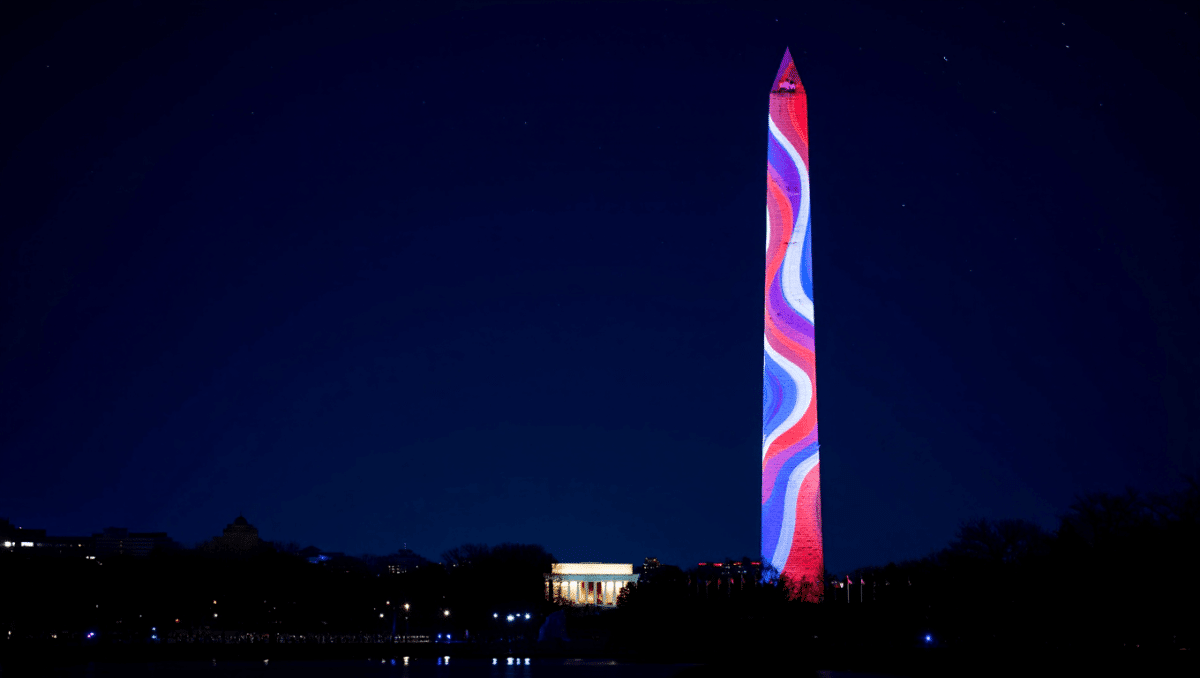
The National Park Service lit up the Washington Monument on New Year’s Eve as the kickoff for Freedom 250, a year-long commemoration of the United States’ 250th birthday. The new nighttime projection premiered Dec. 31, running in hourly segments from 7 p.m. to 11:30 p.m., and quickly became a viral topic as viewers debated whether the display honors or undermines the iconic memorial.
How the Freedom 250 projection was presented
The NPS framed the installation as a “narrative projection” designed to mark the lead-up to the nation’s semiquincentennial. The artwork uses lights and imagery mapped to the obelisk’s surface, with sequences scheduled each evening through the celebration year.
Anglo-Saxon burial reveals “unprecedented” secrets: experts stunned by 1,400-year-old grave mysteries
What Your Instinctive Tree Choice Reveals About Your Personality—Experts Explain
- Start date: Dec. 31 debut.
- Showtimes: Hourly between 7:00 p.m. and 11:30 p.m.
- Purpose: Part of Freedom 250 events honoring 250 years of independence.
Public reaction on social platforms
Responses appeared almost immediately after the debut. Social feeds filled with a mix of bewilderment, mockery, and sharp criticism.
- Many users dismissed the visuals as tasteless or overly flashy.
- Some likened the look to neon signage and commercial décor, arguing it clashed with the monument’s solemn character.
- Others reacted with biting humor, using sarcasm to highlight perceived mismatches in public spending and priorities.
Visuals intended to celebrate instead triggered comparisons to consumer culture and entertainment venues. That mismatch fueled heated exchanges online.
Recurring themes in the backlash
Certain threads repeated across posts: concern for dignity, questions about design taste, and political jabs aimed at the organizers.
- Several commentators called the display “gaudy” rather than “dignified.”
- Others framed the projection as evidence of changing American aesthetics, or as emblematic of a decline in civic decorum.
- Political speculation surfaced, with users wondering if future projections would feature partisan imagery.
That mix of cultural critique and political humor made the story spread quickly beyond local feeds.
Voices and reactions that stood out
Some responses leaned into satire, while others were bluntly critical. Examples include users demanding answers from the design team and others lamenting that the monument’s appearance had been altered.
- A number of posts asked for a conversation with the show’s graphic designer.
- Some called the display a misuse of taxpayer money given other national concerns.
- Several observers used vivid metaphors to express dismay at the new look.
Context: public art, monuments, and modern taste
Monuments often become focal points for debate when contemporary art is layered onto historic structures. The Freedom 250 lighting touched that cultural fault line.
Public reaction to temporary projections tends to vary widely, from enthusiastic applause to calls for restraint. This installation illustrates how modern media treatments can provoke strong responses when applied to national symbols.
What comes next for the Freedom 250 displays
The projection is part of a larger schedule of events tied to the semiquincentennial. Organizers have planned additional programs throughout the year to mark the milestone.
- Expect further multimedia presentations in public spaces.
- Officials have framed these elements as a year-long narrative about American history and identity.
- Public reaction will likely shape how future displays are designed and promoted.