
Show summary Hide summary
- What LEGO revealed at CES 2026: SMART Brick and SMART Play
- How the SMART Brick interacts with LEGO pieces
- Launch date, pricing and the first Star Wars packs
- Public reaction: enthusiasm, skepticism and jokes
- Privacy, cost and practical questions from parents
- How this fits into the bigger toy industry trend
LEGO unveiled a new interactive brick at CES 2026 that promises to change how kids build and play. The company says the SMART Brick will power a new line of screen-free experiences. But social media reaction has been mixed, with excitement tangled up in concerns about cost, complexity and privacy.
What LEGO revealed at CES 2026: SMART Brick and SMART Play
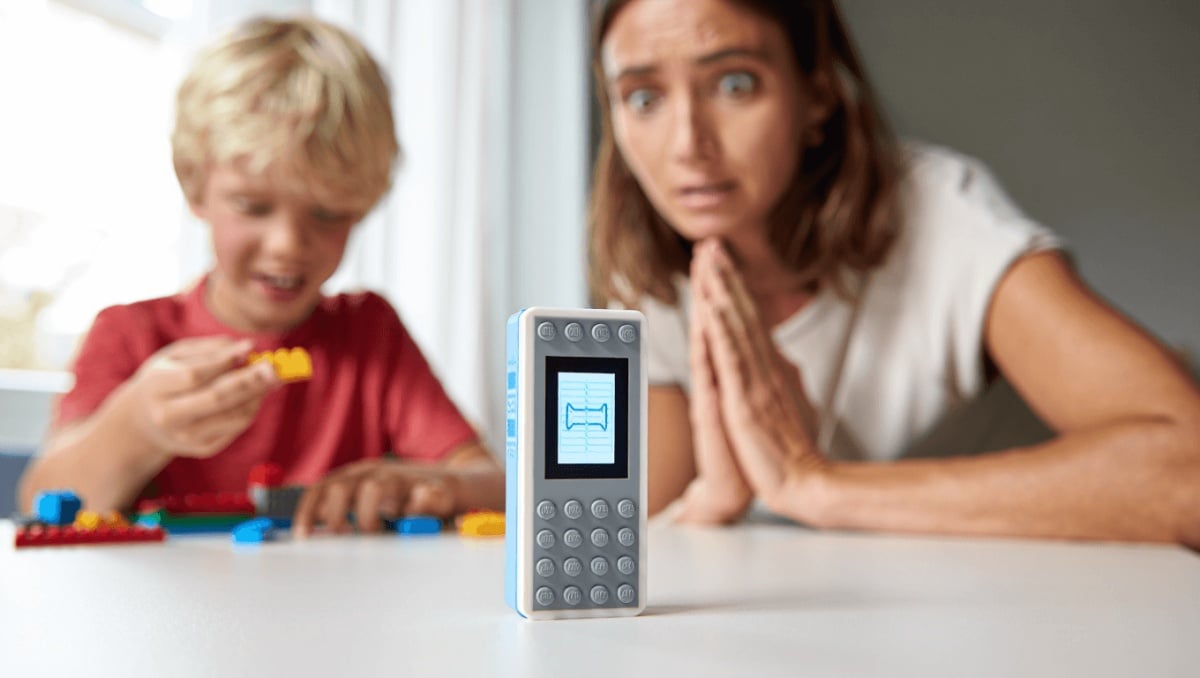
At the tech show, LEGO introduced the SMART Brick as the heart of an expanded SMART Play collection. The company positioned the launch as a push to blend classic building with new tech, while avoiding screens.
Anglo-Saxon burial reveals “unprecedented” secrets: experts stunned by 1,400-year-old grave mysteries
What Your Instinctive Tree Choice Reveals About Your Personality—Experts Explain
LEGO framed the range as a way to keep hands-on creativity front and center. The team said the new brick enables interactive elements inside traditional builds.
How the SMART Brick interacts with LEGO pieces
The SMART Brick is a single module designed to communicate with nearby parts. It can trigger sound, motion and lights when moved or placed near other pieces.
Core capabilities
- Proximity sensing that responds to position and distance
- Built-in audio for effects and music cues
- Light output to illuminate models and create atmosphere
- Compatibility with multiple sets in the SMART Play line
LEGO says the brick will make vehicles start with realistic noises and cause scenes to brighten when a character approaches. The company framed the tech as a way to deepen storytelling.
Launch date, pricing and the first Star Wars packs
The SMART Play range will arrive March 1, and the initial wave focuses on Star Wars themes. LEGO listed several sets and their retail prices.
- Luke’s Red Five X-Wing — 584 pieces, $99.99
- Darth Vader’s TIE Fighter — 473 pieces, $69.99
- Throne Room Duel & A-Wing — 962 pieces, $159.99
These sets integrate the SMART Brick to unlock soundscapes and iconic music. Fans can expect lightsaber noises and orchestral cues woven into play sequences.
The company has said the brick is required for the SMART Play sets. That makes the module central to the experience and to buyers’ budgets.
Public reaction: enthusiasm, skepticism and jokes
Responses online ranged from curiosity to outright wariness. Some users applauded the fresh take on physical play.
Others reacted with humor, imagining subscription models or bricks that somehow target bare feet. Many comments poked at the idea of making a beloved low-tech toy more complex.
Several voices urged LEGO to keep offering simple, non-electronic options. They argued that part of the toy’s magic is using imagination without gadgets.
Privacy, cost and practical questions from parents
Beyond jokes, parents raised practical concerns. Skepticism about connected devices in kids’ products is on the rise.
- Will the SMART Brick store or transmit data?
- Is there a monthly fee for software or content?
- How long do batteries last, and how easy are replacements?
- Are there safety or durability issues for heavy-use play?
Those questions reflect broader unease with tech in toys. Some worry about hidden tracking. Others simply worry about replacing or repairing an expensive component.
How this fits into the bigger toy industry trend
LEGO’s move follows a pattern of blending electronics with traditional toys. Companies have been adding sensors, audio and connectivity to enhance engagement.
But the response shows a split market. A portion of parents want novelty and convenience. Another portion prefers analog simplicity and resilience.
Whether SMART Brick will win over both groups remains to be seen. The brand’s reputation may help, but questions about cost and data will shape uptake.