Show summary Hide summary
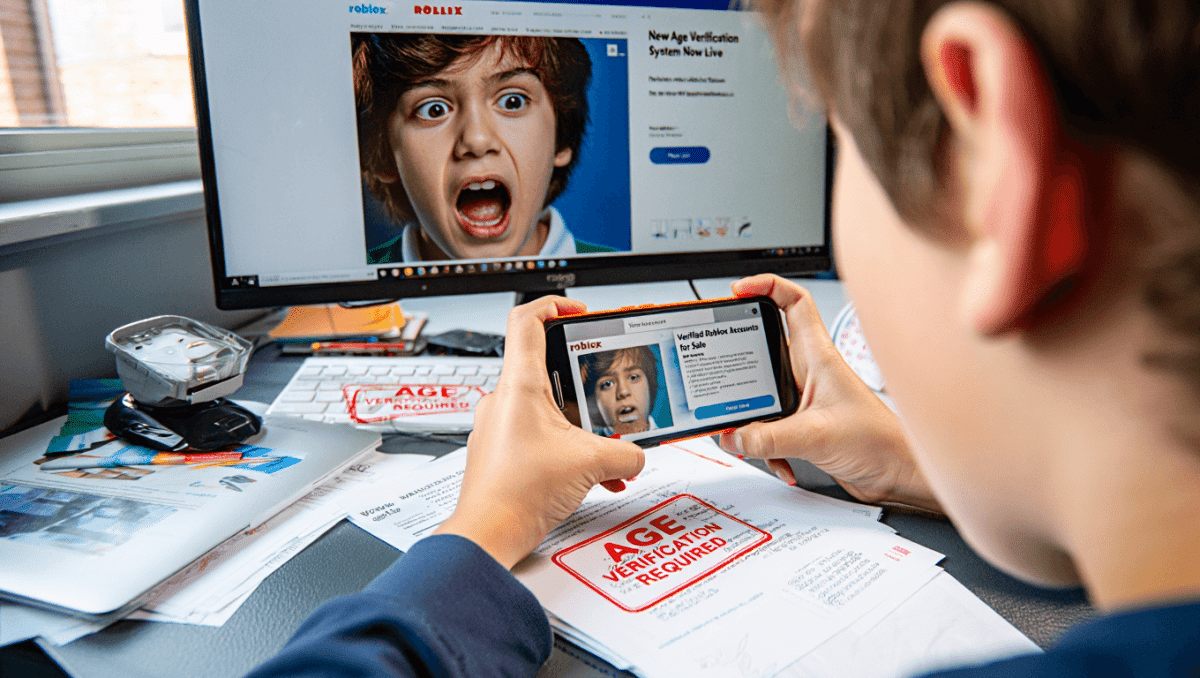
Roblox has rolled out a new age-verification system that changes who can chat and how they prove their age. The move follows lawsuits and growing concern about child safety on the platform. The update forces some users to verify their age before gaining access to in-game chat features.
How Roblox’s age-check process actually works
To open chat features, users may be prompted to verify their age with a live facial scan or by uploading ID documents. Roblox offers two main paths depending on the user’s age and preference.
Anglo-Saxon burial reveals “unprecedented” secrets: experts stunned by 1,400-year-old grave mysteries
What Your Instinctive Tree Choice Reveals About Your Personality—Experts Explain
Verification methods at a glance
- Facial verification: the camera opens and users complete a few on-screen tasks.
- ID verification: available to users aged 13 and above as an alternative.
Roblox says it will remove any photos or videos taken during facial verification after the check completes. News outlets reported that deletion promise as part of the company’s privacy assurances.
Which chat rooms you can enter after verifying your age
The platform now groups chat access into age-based tiers. Passing verification unlocks chats targeted to a similar age range. There are six age brackets in total:
- Under 9
- 9–12
- 13–15
- 16–17
- 18–20
- 21 and older
Users can chat within their own bracket and with the groups directly above and below them. For example, a 9–12 user can interact with under-9 and 13–15 chats as well.
By default, chat is turned off for accounts under 9. A parent can enable chat for a younger child only after the parent completes their own verification steps.
Why age-verified accounts have become items for sale
Within days of the verification rollout, listings for “age-verified” Roblox accounts appeared on resale platforms. Users spotted multiple ads and shared screenshots online.
Reported prices varied widely. Some listings advertised teen accounts for a few dollars, while others commanded higher amounts. A handful of sellers also claimed to offer accounts with voice chat enabled.
- Low-cost listings for younger-teen verification appeared for small sums.
- Higher-priced listings claimed broader age ranges or voice/chat access.
Resale listings fueled concerns because verified accounts bypass the platform’s new checks for buyers. That makes them attractive to people who refuse or cannot complete verification.
Public reaction and the main safety worries
Reactions online were swift and alarmed. Many users warned about the potential for predators and identity misuse. Others raised the risk of mass identity theft.
- Predator concern: Some feared buyers could exploit verified access to reach children.
- Identity risk: There were worries that verification data could be misused or traded.
- Undercut safety controls: Selling verified accounts could undermine Roblox’s protection goals.
Multiple social posts suggested the resale market might include accounts for kids under 13, though confirmations varied. The conversation highlighted gaps between the company’s intentions and what happens on third-party marketplaces.
Advice for parents, players, and sellers to reduce risk
Given the new landscape, simple steps can lower exposure and protect young users.
- Never buy a verified account. It likely violates Roblox rules and may be unsafe.
- Enable parental controls and monitor chat settings on child accounts.
- Report suspicious listings to the marketplace and Roblox support.
- Teach children not to share verification photos or account credentials.
- Check account privacy settings regularly and change passwords often.
Parents who want chat enabled for young children should complete verification directly through Roblox. That keeps control with the adult and avoids third-party risks.